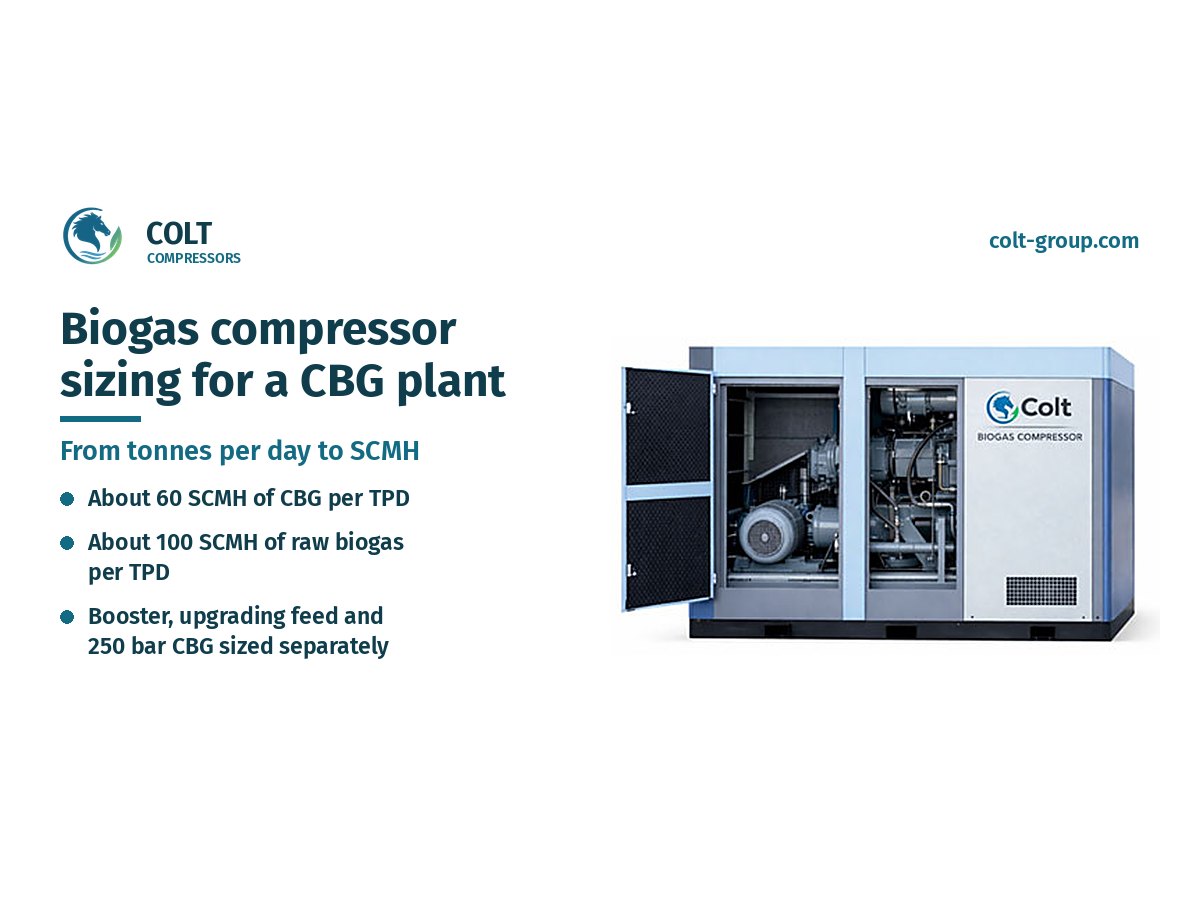
Biogas Compressor Sizing for a CBG Plant: From TPD to SCMH
1 TPD of CBG is about 60 SCMH, from roughly 100 SCMH of raw biogas. How to size the booster, upgrading feed and 250 bar CBG compressor.
Read More

1 TPD of CBG is about 60 SCMH, from roughly 100 SCMH of raw biogas. How to size the booster, upgrading feed and 250 bar CBG compressor.
Read More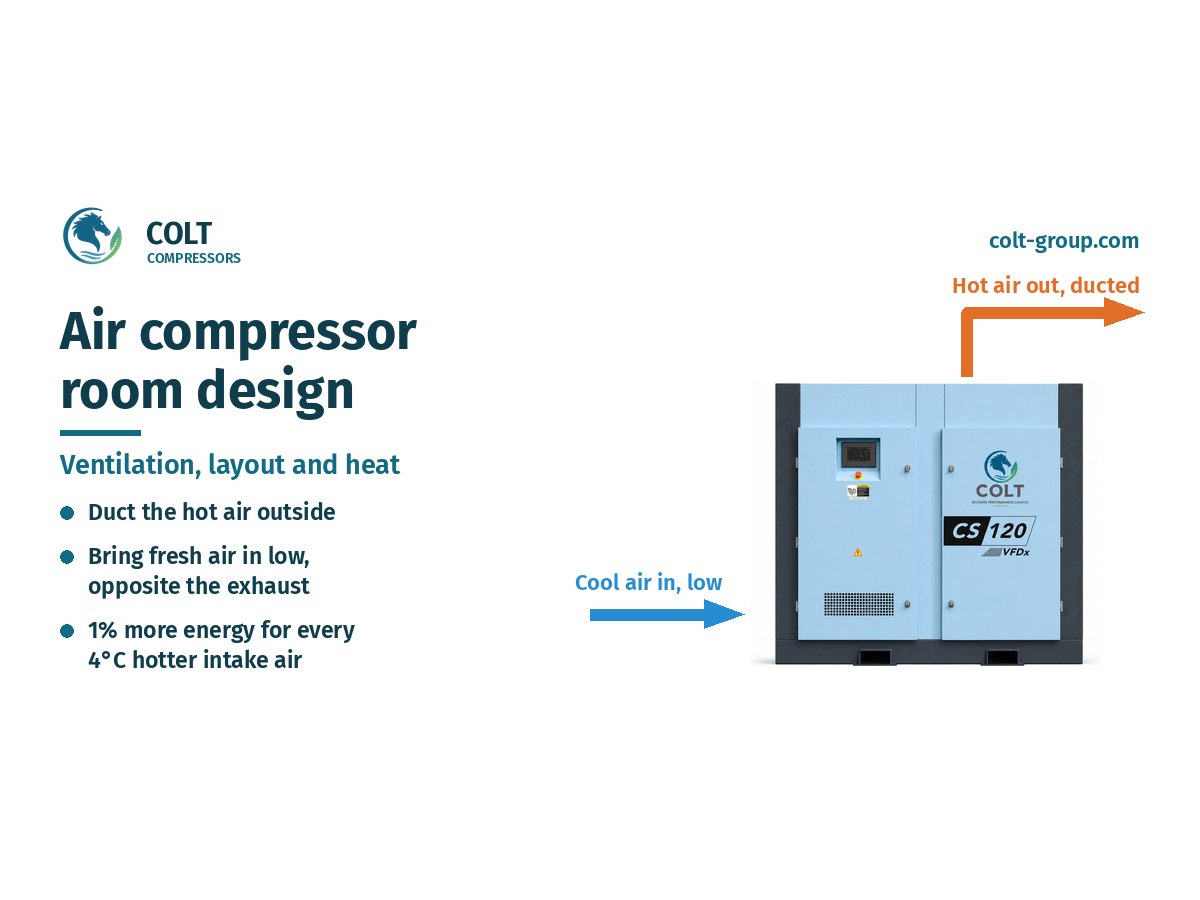
Most summer heat trips are a room problem. How to ventilate, duct and lay out a compressor room, with an airflow formula and a checklist.
Read More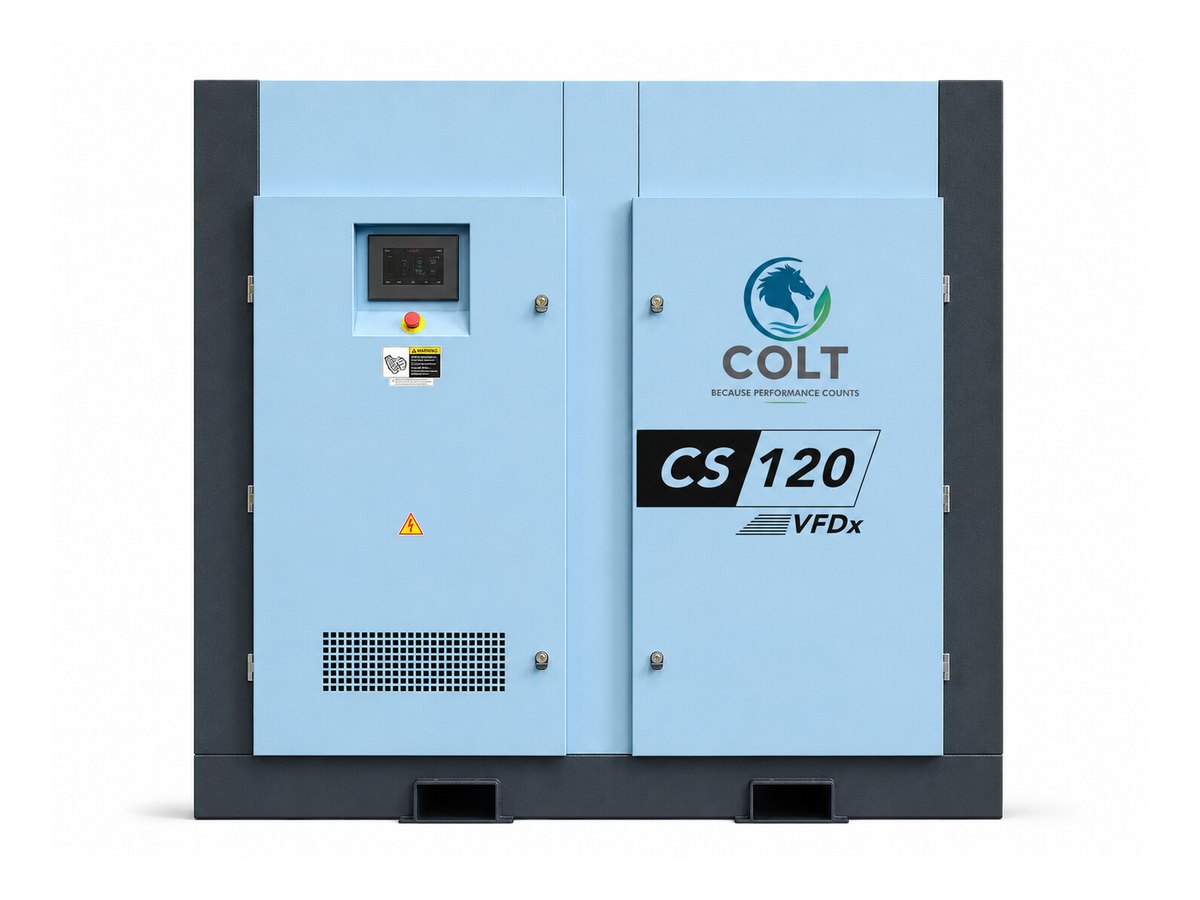
A 50 HP screw gives 242 CFM at 8 bar but only 193 at 13 bar. How to size on air and pressure, not HP, with a worked example.
Read More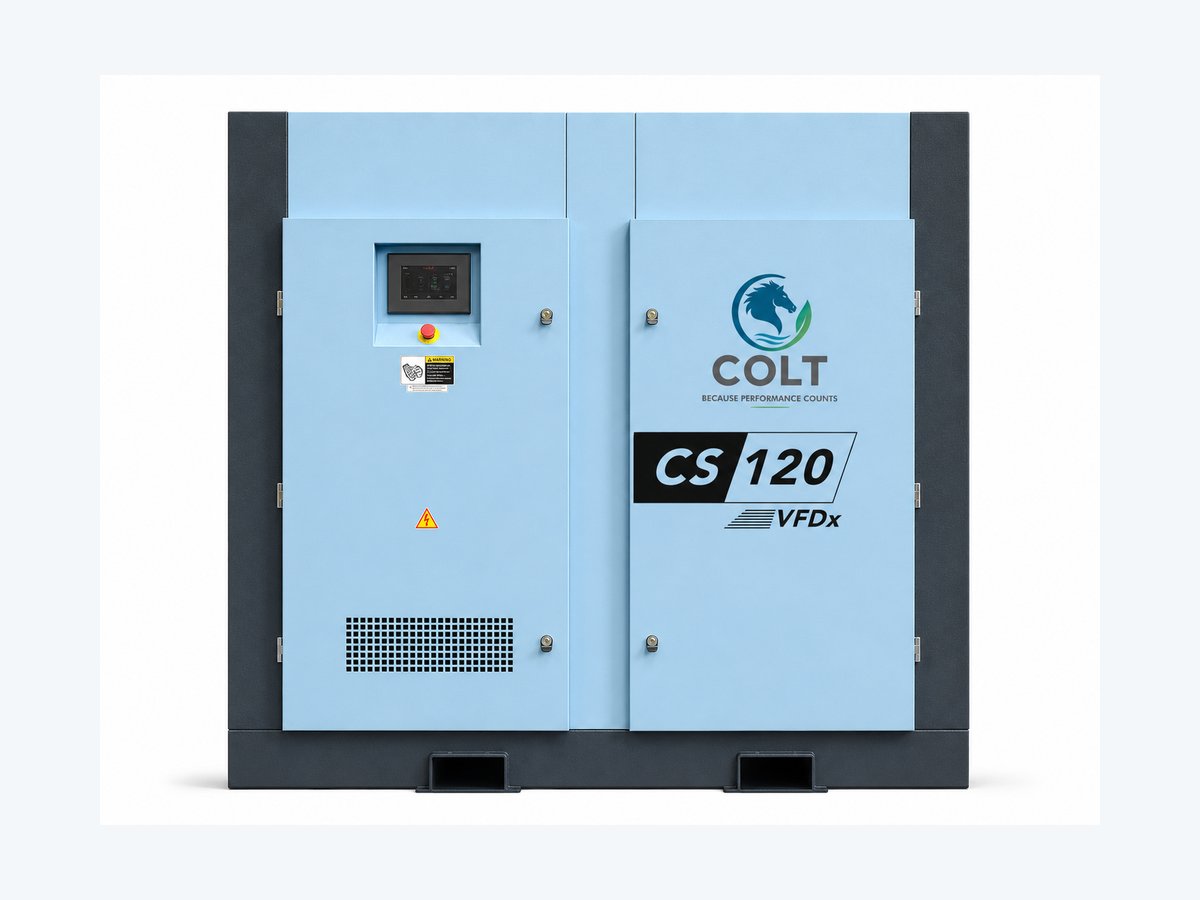
A 3 mm leak can cost about ₹1.3 lakh a year. Two simple tests to measure your leaks, where to look, and how to keep them down.
Read More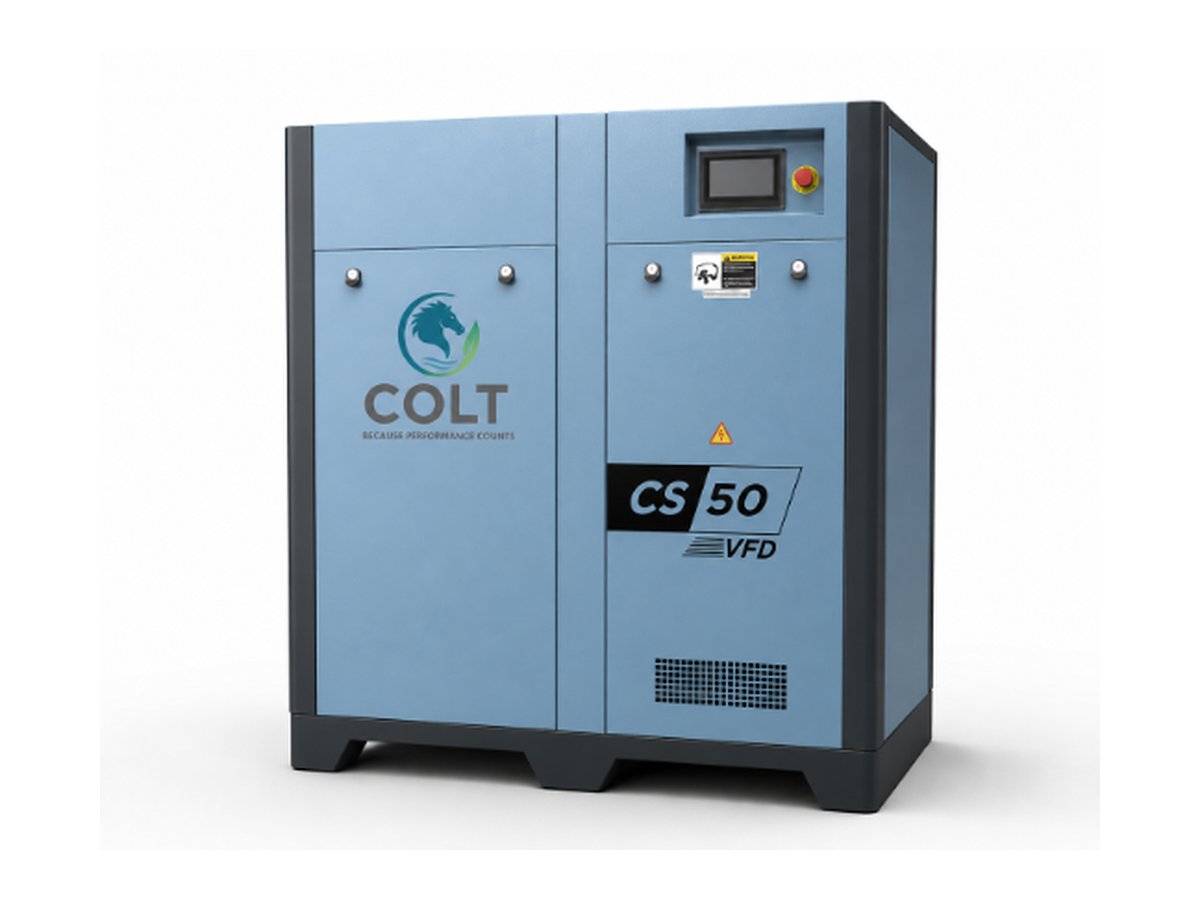
How to size a screw air compressor for a spinning or weaving plant: real air demand, the right pressure, clean dry air, and when a VFD pays.
Read More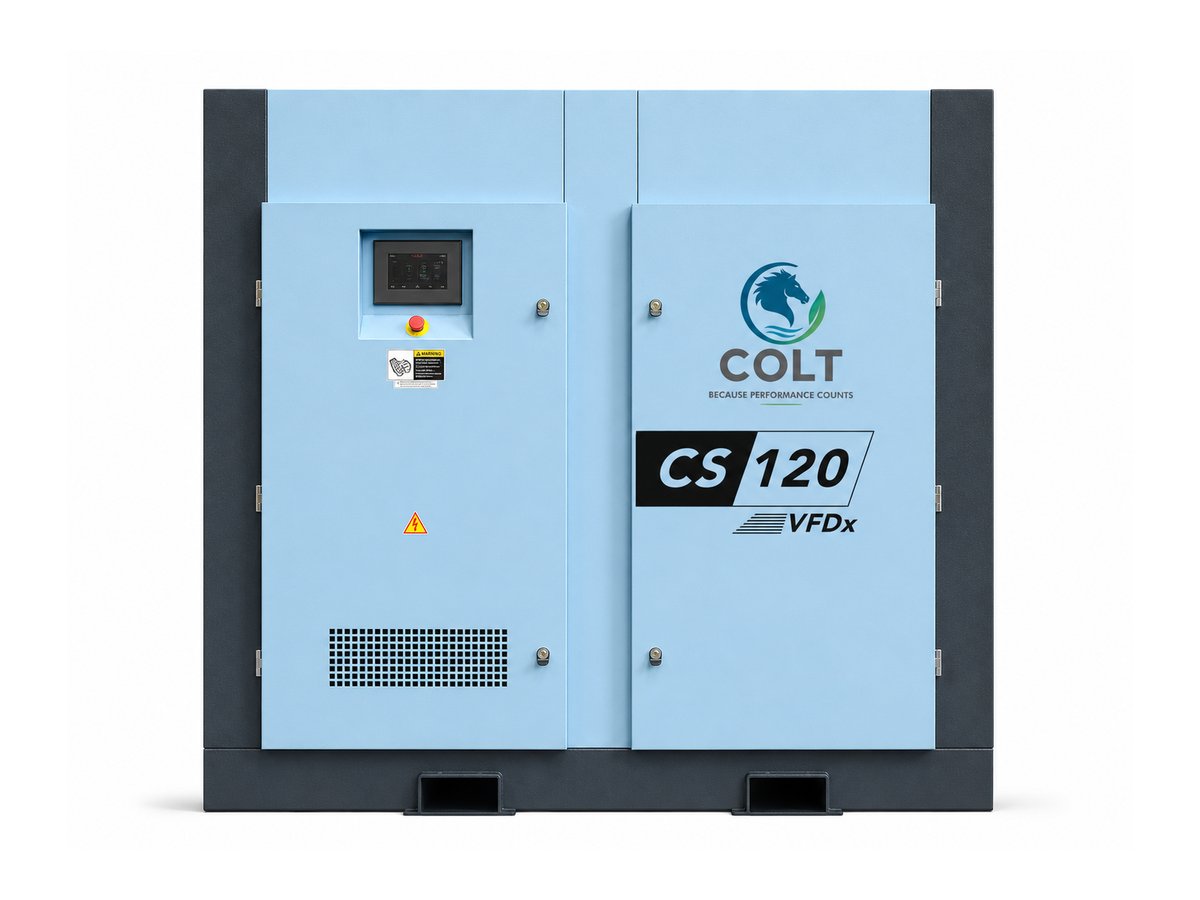
Why a two-stage screw compressor gives 15–20% more air per HP, a worked running-cost example, and when each type makes sense for your plant.
Read More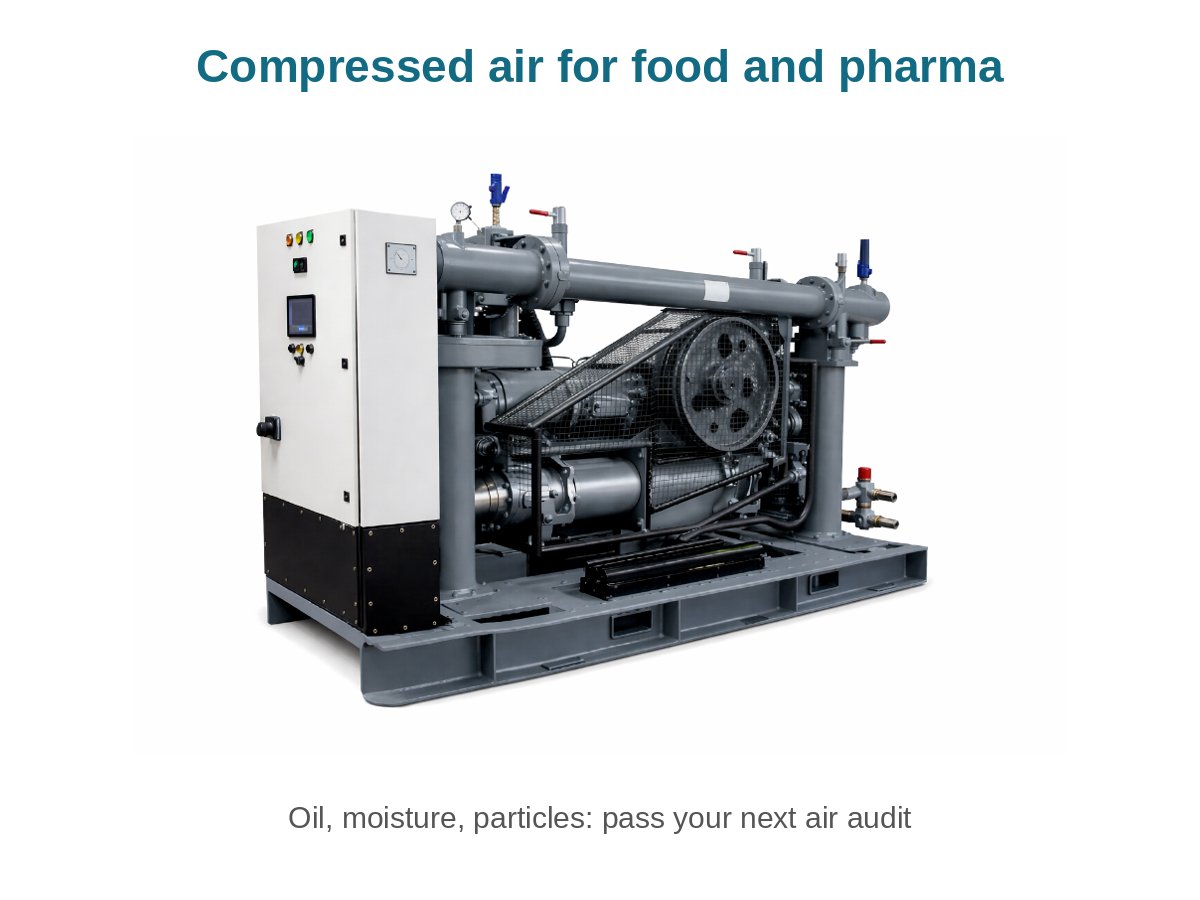
Oil, moisture, particles and microbes: how to read an ISO 8573-1 class and fix the air treatment chain before your next audit.
Read More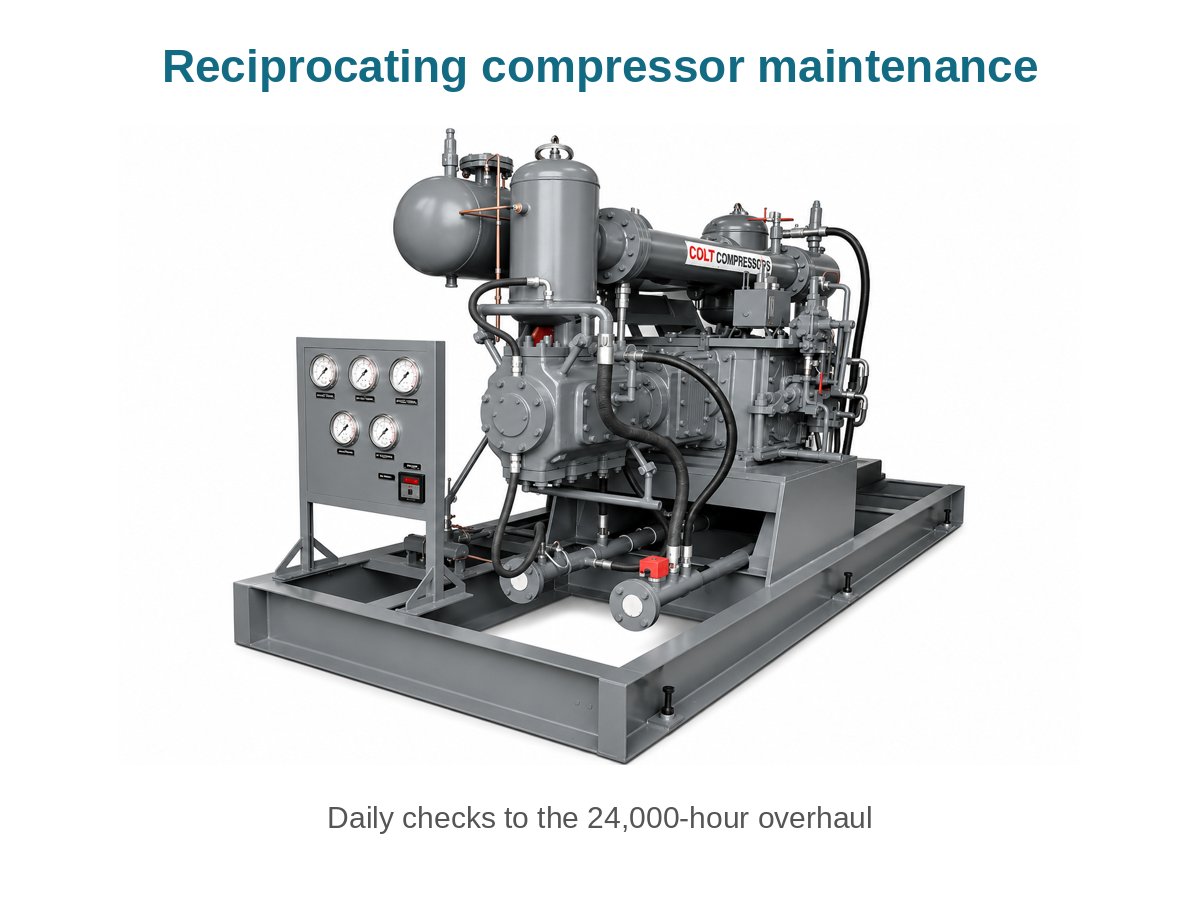
What to check every day and week, what to replace at 2,000, 4,000 and 8,000 hours, and what a neglected compressor really costs in electricity.
Read More
A compressor on its own is not a compressed air system. Between the air intake and the tool at the end of the line sit dryers, filters, receivers, piping, and controls, and each one affects how much energy the plant uses and how good the air is when it arrives. Plants that treat compressed air as a complete system, rather than a collection of separate purchases, consistently get lower running costs and fewer production problems.
Read More
Cold chains, dairies, breweries, pharmaceutical plants, and ice factories all depend on refrigeration that runs around the clock without drama. At industrial scale, that usually means an ammonia refrigeration system: efficient, proven, and environmentally friendly compared with many synthetic alternatives. But a system is more than a compressor. It is a set of matched equipment that has to work together.
Read More
Pressure vessels sit quietly at the centre of industrial plants, storing compressed air, gases, and process fluids at pressures that would be dangerous if the equipment were poorly made. Because failure can be severe, choosing among pressure vessel manufacturers in India is a decision about safety, code compliance, and long-term reliability, not just price.
Read More
Every multi-stage compressor depends on one component to stay efficient: the intercooler. Without it, air or gas leaving the first stage would enter the second stage still hot, forcing the compressor to work harder, run hotter, and wear faster.
Read More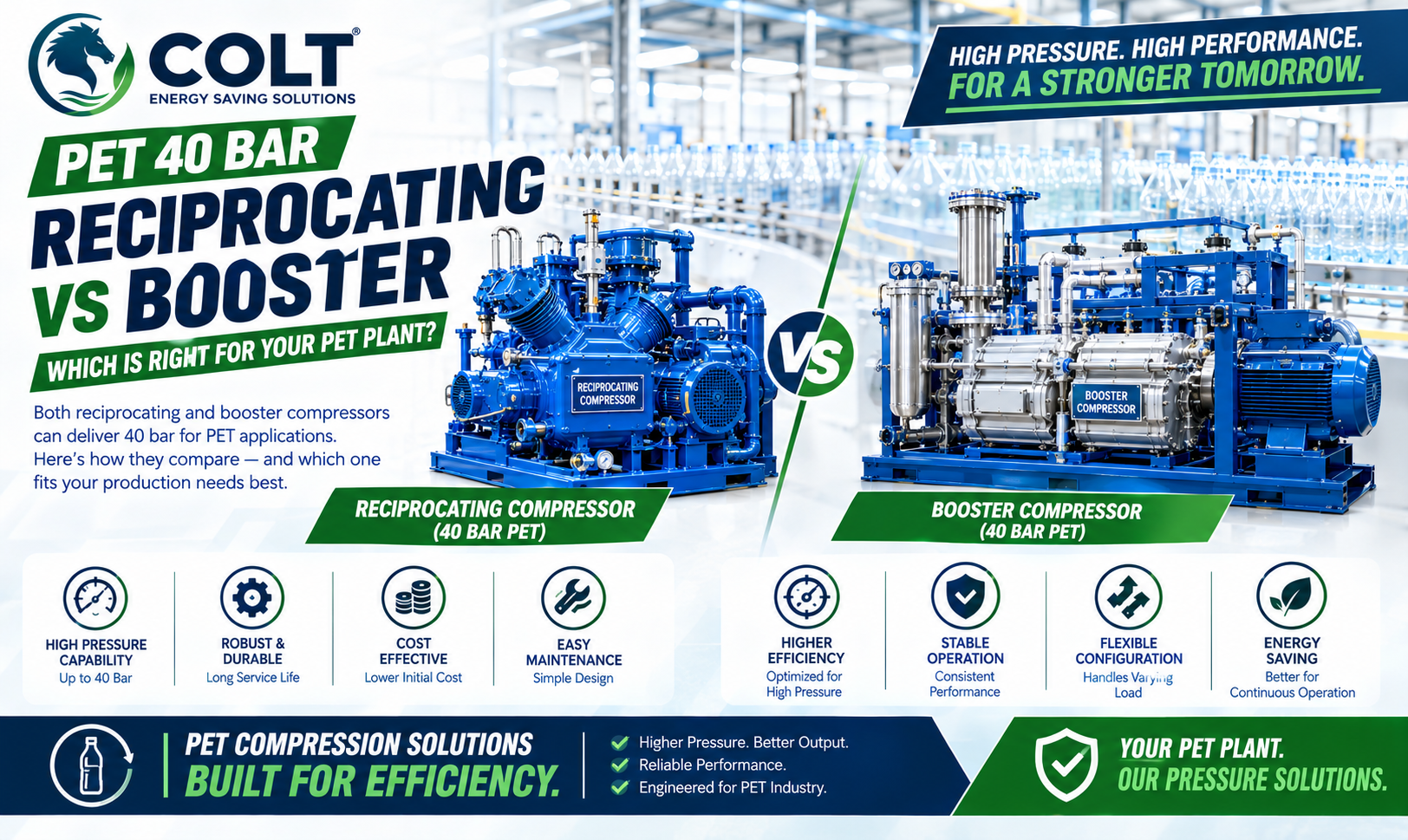
Up to about 700 CFM, an oil-free reciprocating compressor is usually the simpler choice; above that, a screw-plus-booster package. How each keeps oil out, what each costs to run and five questions to decide.
Read More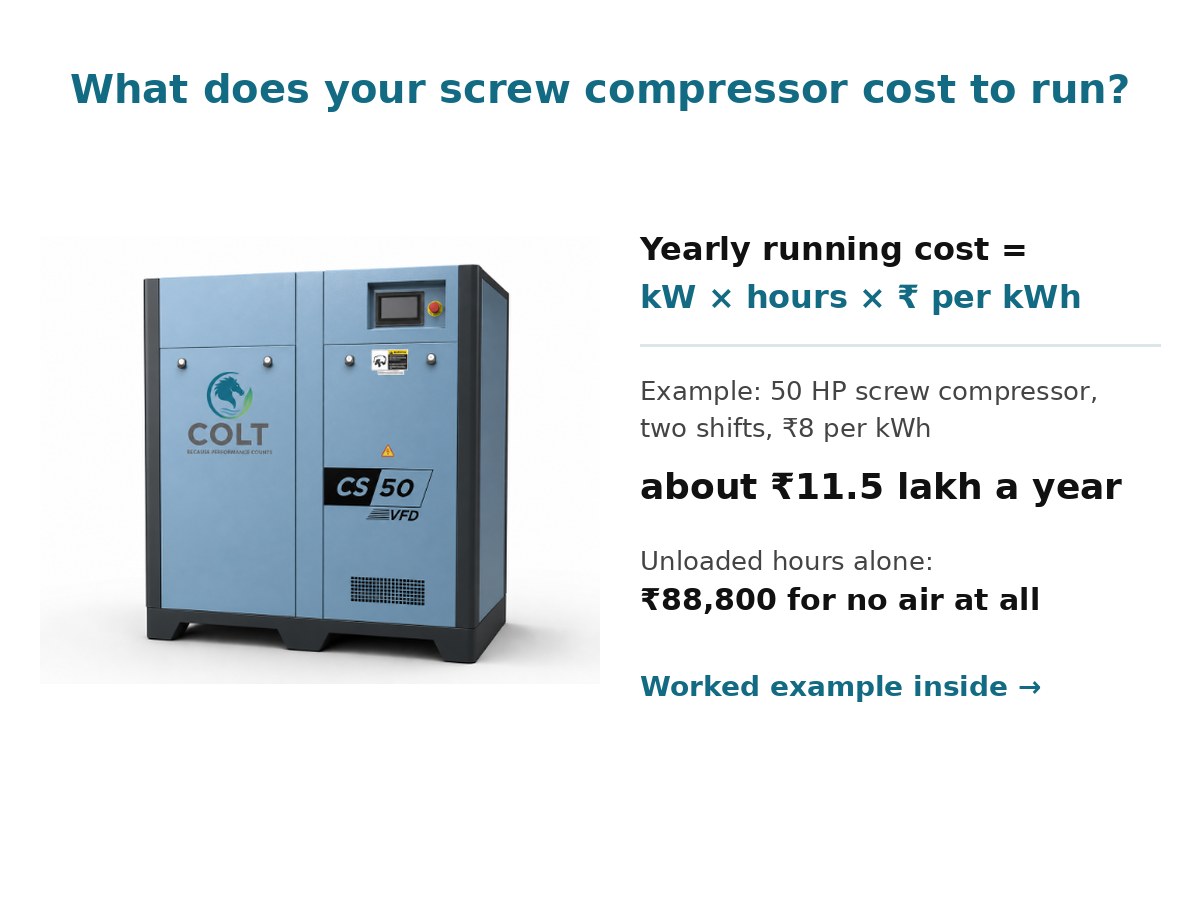
Yearly running cost is kW × hours × tariff, worked out for loaded and unloaded hours. A worked example on a 50 HP machine, the cost of air per 1,000 cubic feet, and three places the money leaks away.
Read More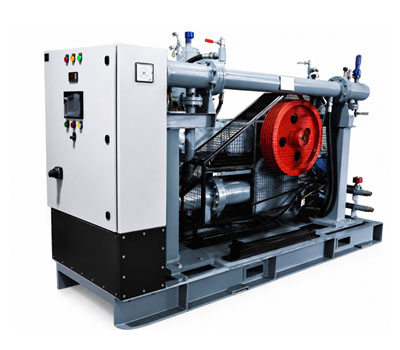
If the air touches your product, choose oil-free; if it drives machines, a lubricated compressor is usually simpler and cheaper to own. How the two differ inside, what each costs to run and maintain, and four questions to decide.
Read More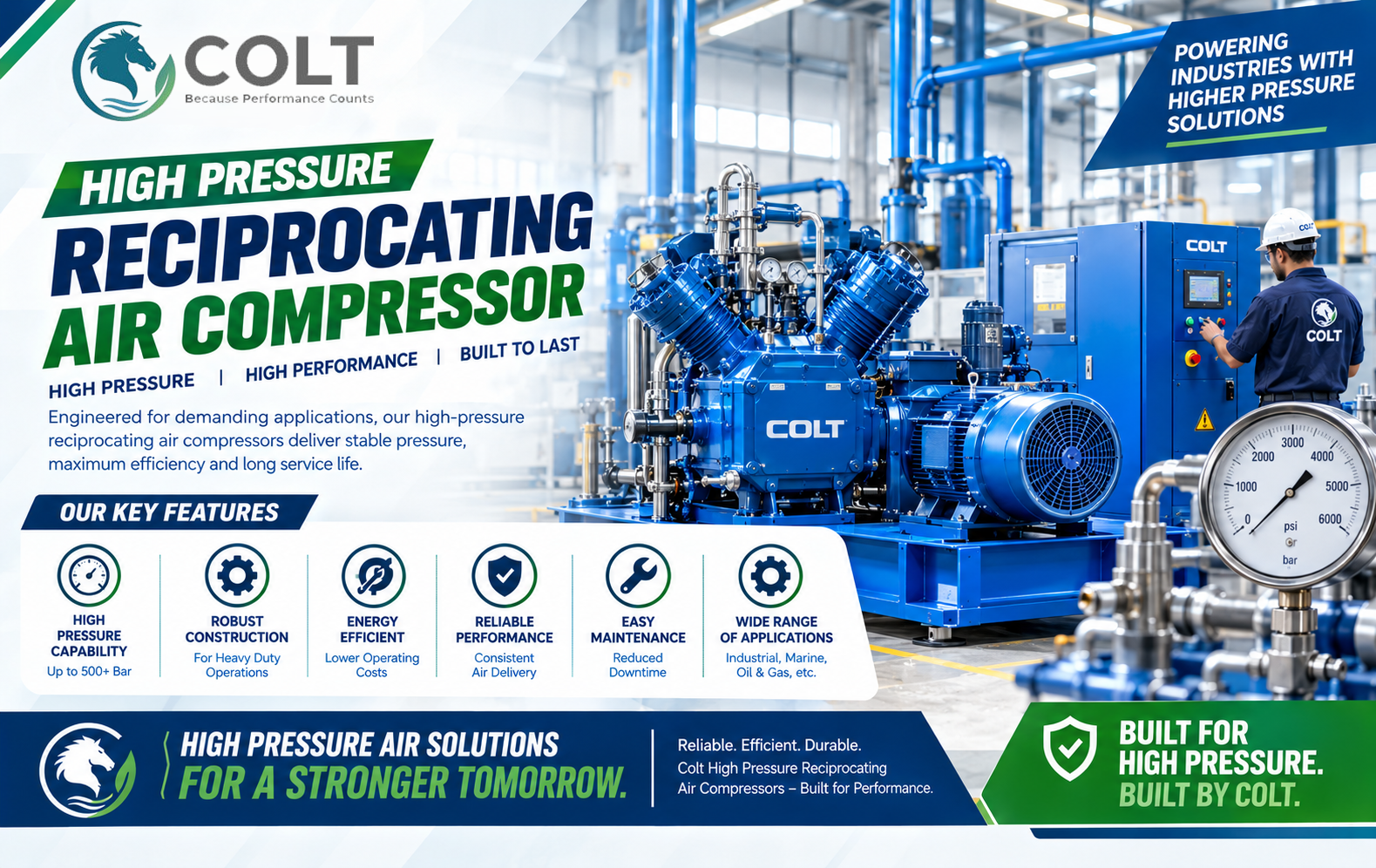
Some applications need air or gas at pressures that rotary screw compressors are not built to deliver economically. PET bottle blowing runs at 30 to 40 bar, oxygen and nitrogen plants need steady high-pressure supply, and compressed biogas filling runs far higher still.
Read More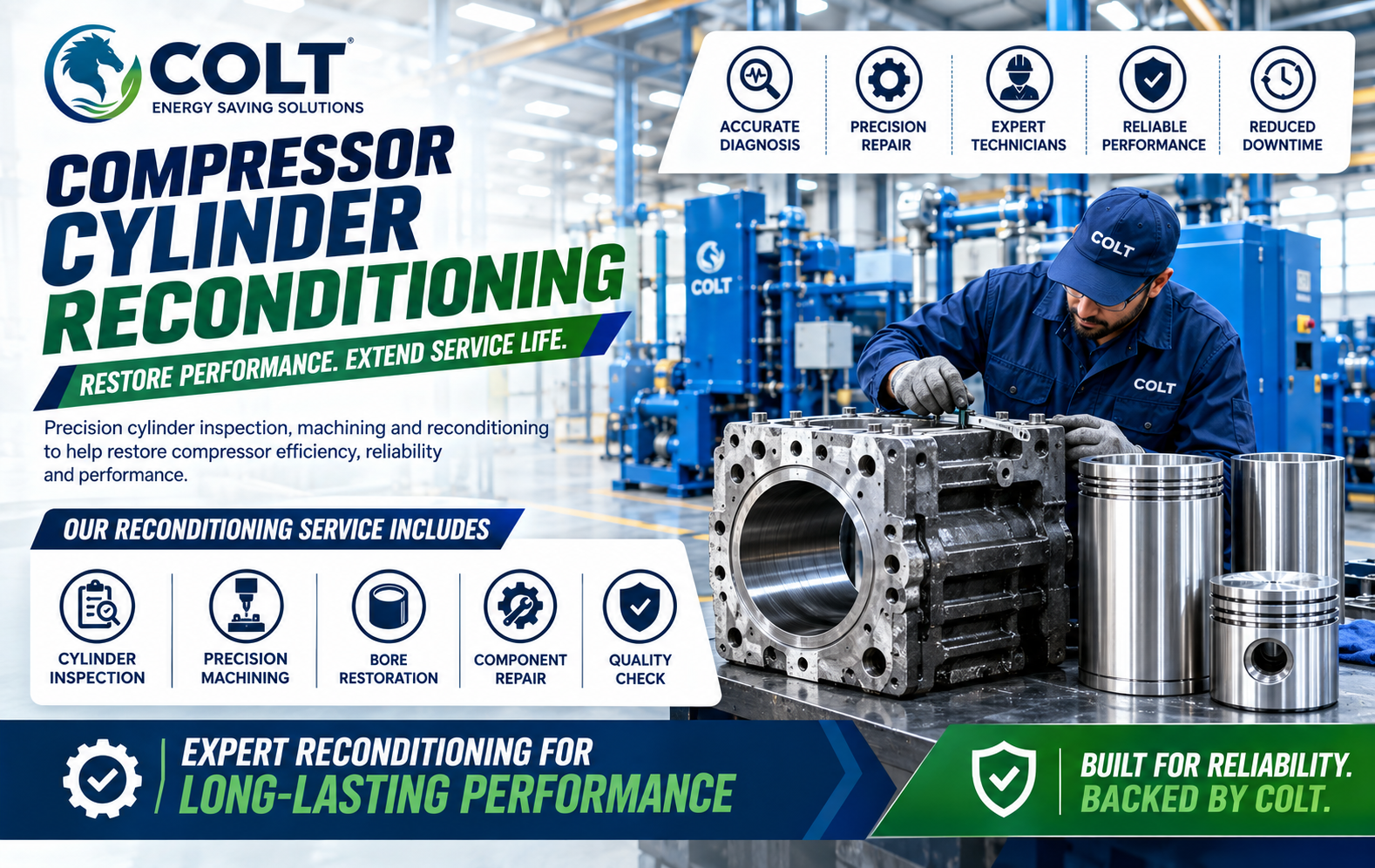
The cylinder is the heart of a reciprocating compressor. Every stroke, the piston and rings slide against its bore, and over thousands of hours that contact, heat, and any contamination wear the surface. When wear reaches a certain point, performance falls and damage spreads to other parts.
Read More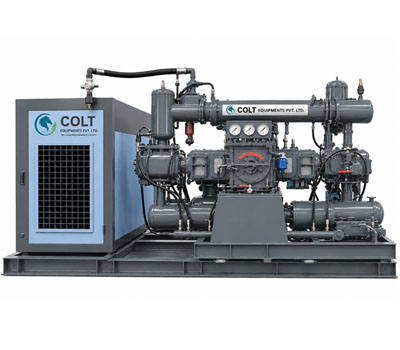
Each litre of bottle needs roughly 50 litres of free air at 40 bar. Here is the three-step calculation, a ready table for bottle sizes from 250 ml to 5 litre, a worked example and the compressor to match.
Read More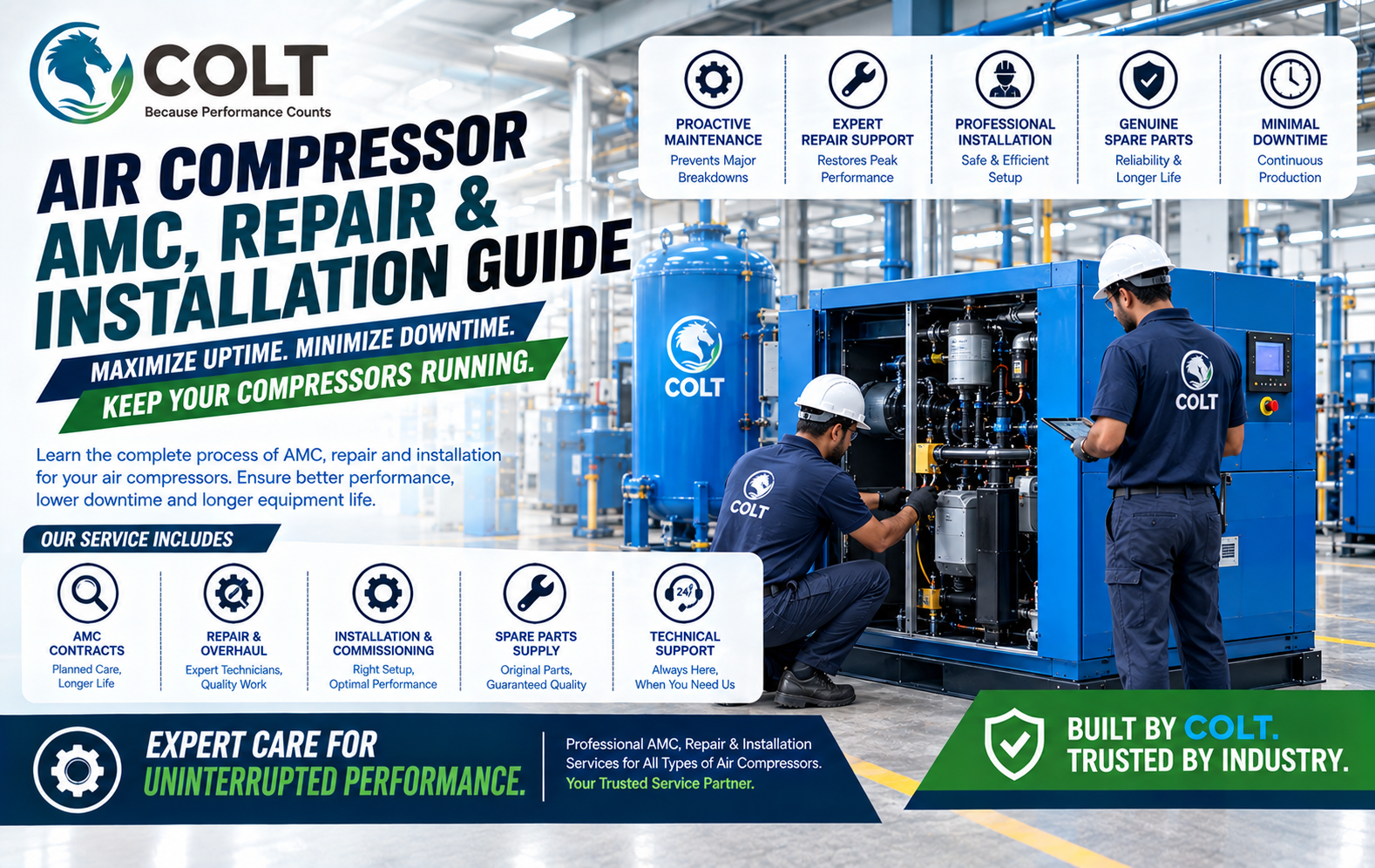
Most compressor failures are not sudden. They build up quietly through worn filters, loose connections, degraded oil, and small leaks until a trip or breakdown makes them visible, usually at the worst moment. An Annual Maintenance Contract (AMC) is designed to catch these problems early and put maintenance on a schedule instead of leaving it to chance.
Read More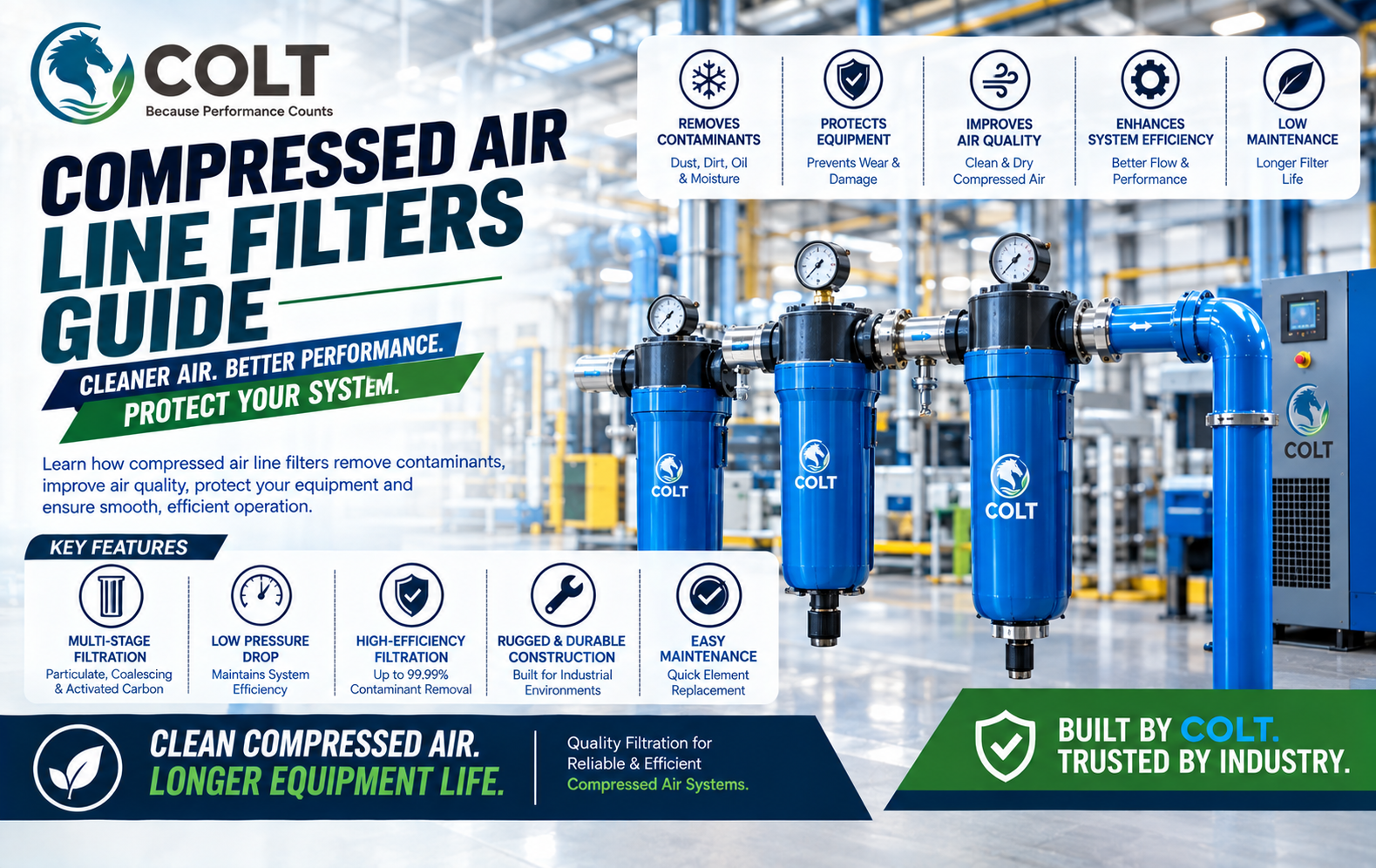
Compressors get the attention, but the air that actually reaches your tools and products is only as clean as the filters in the line. Water, oil aerosols, dust, and pipe scale all travel downstream unless something stops them, and the result is worn pneumatic tools, spoiled product, and unplanned maintenance.
Read More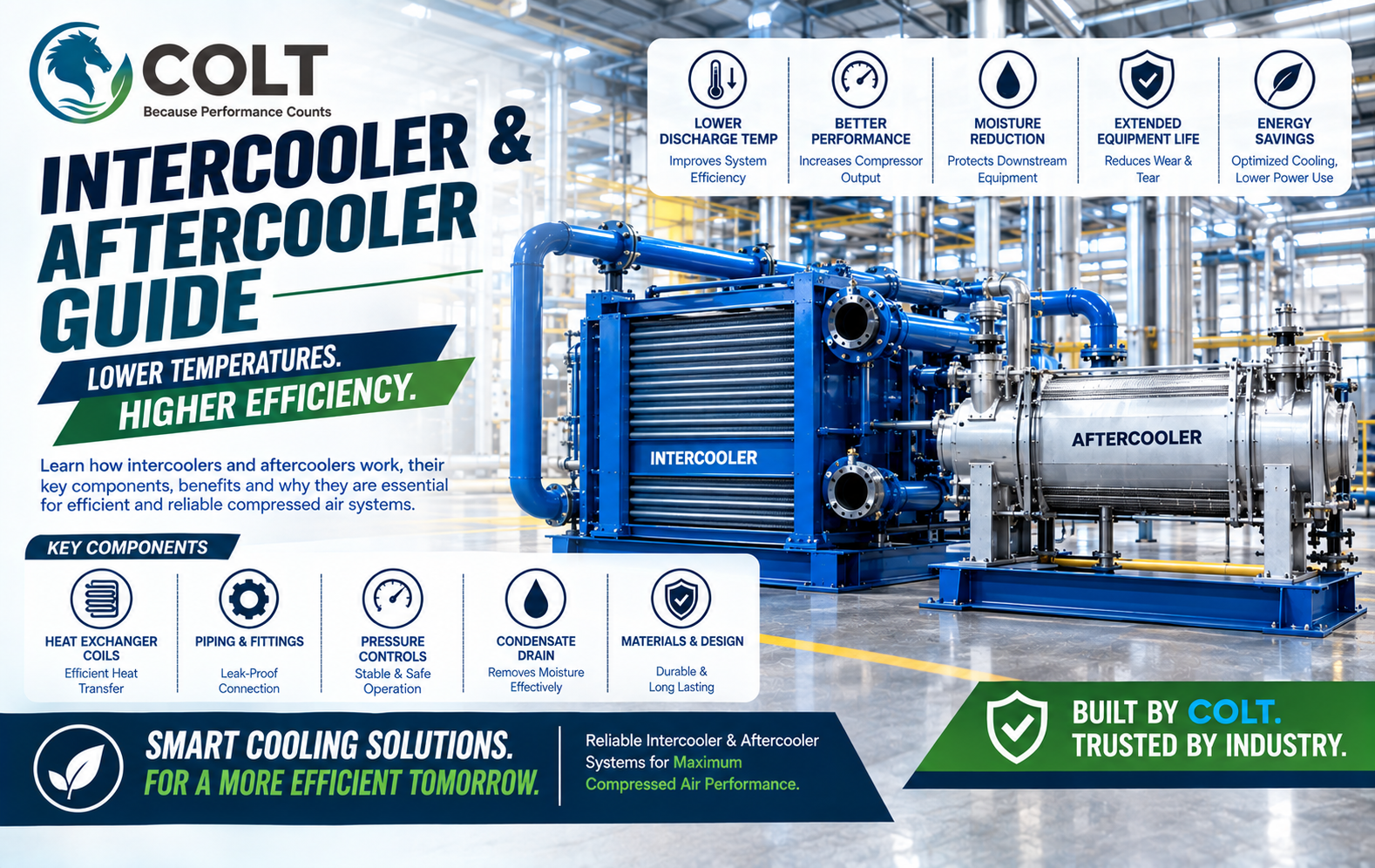
In this guide, we explain what intercoolers and aftercoolers do, why they matter for air compressors, and what to consider when selecting them, along with how Colt's heat exchanger and compressor expertise supports compressed air systems in India.
Read More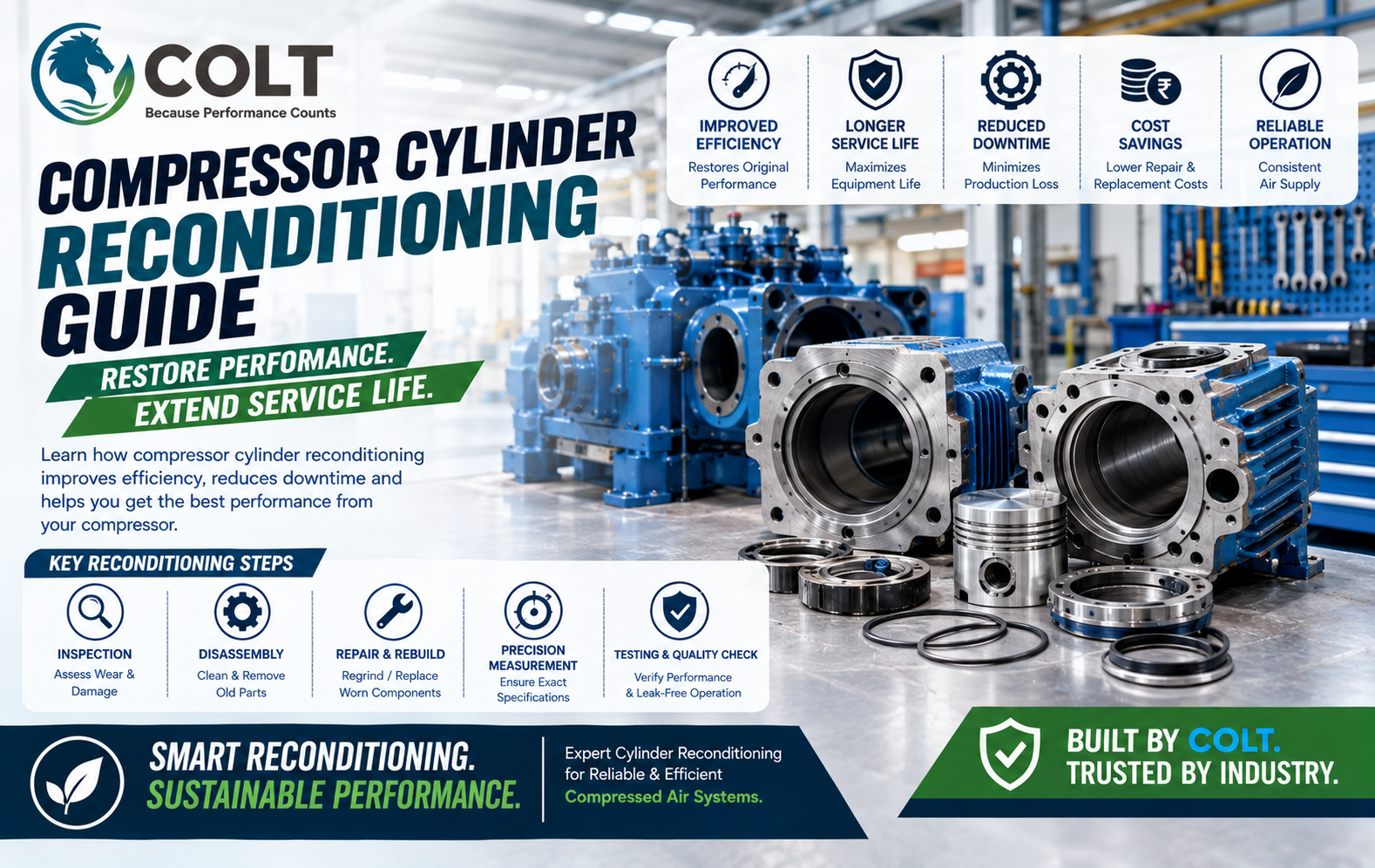
A reciprocating compressor's cylinder is one of its highest-wear components — every stroke of the piston subjects the bore to friction, heat, and the abrasive effects of any contaminants that make it past the filtration system.
Read More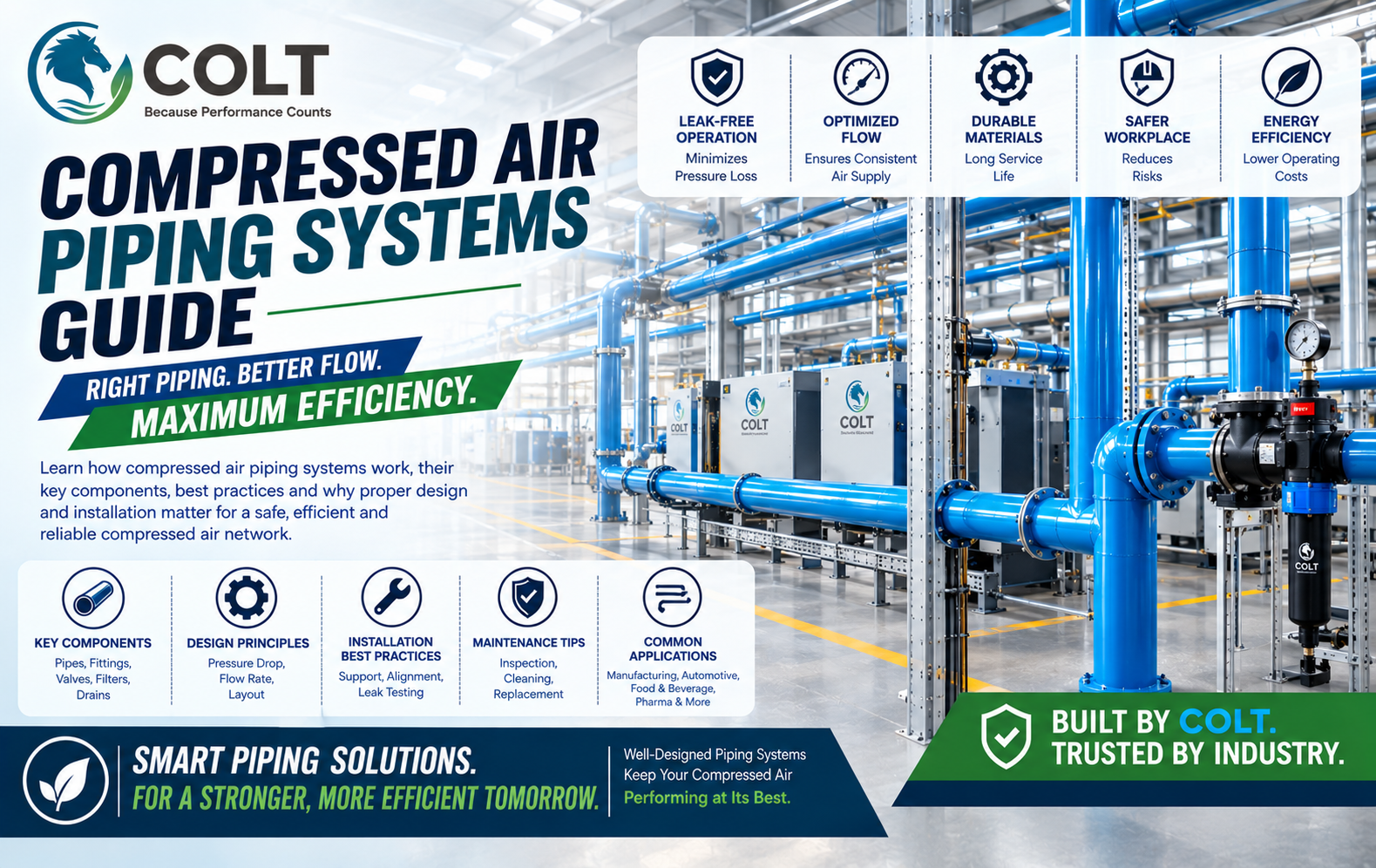
A compressor can be perfectly sized, perfectly maintained, and still deliver poor results at the point of use — because compressed air quality and pressure depend just as much on how it's distributed as on how it's generated.
Read More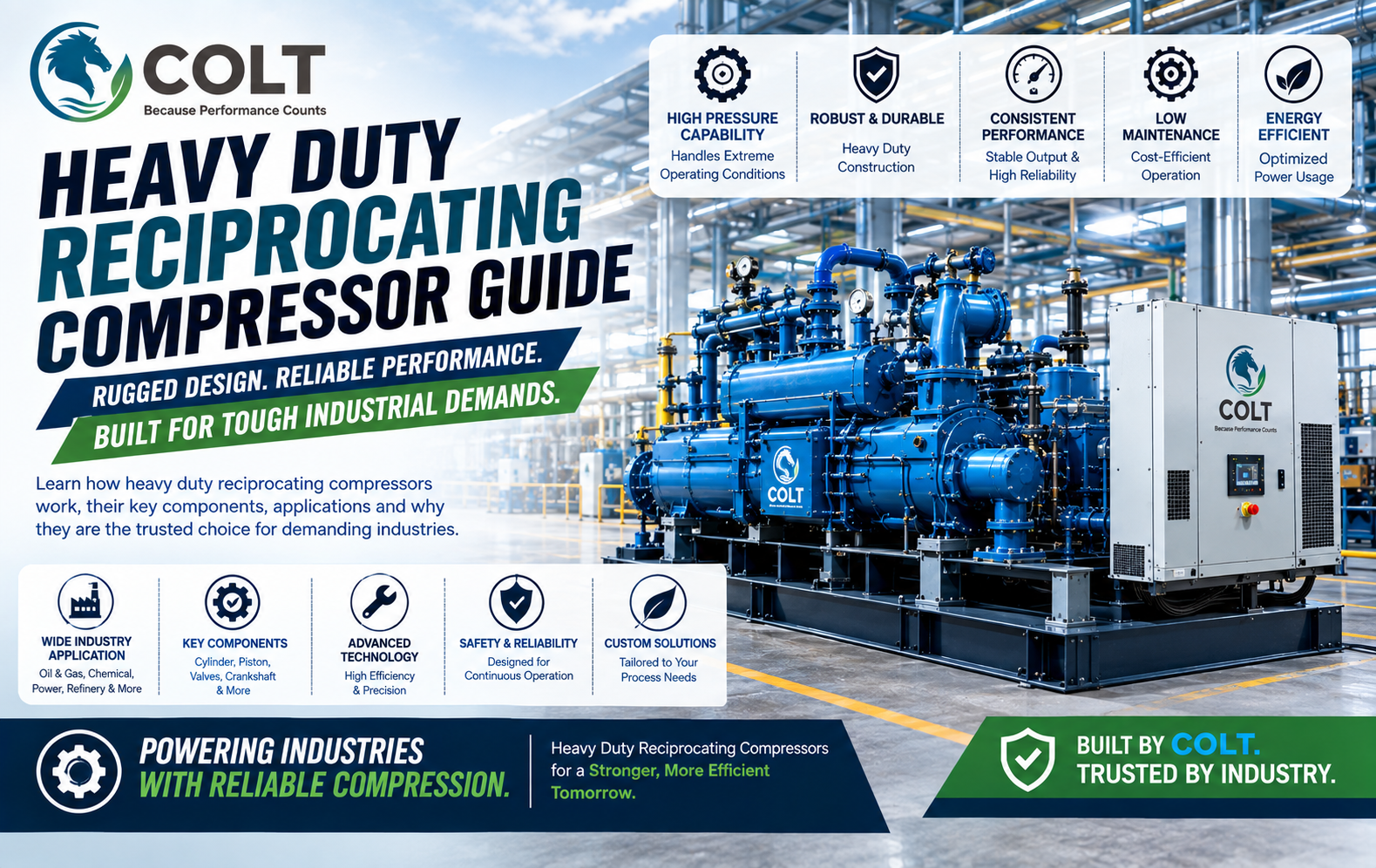
Oxygen and nitrogen plants run some of the most demanding compressed gas duty in industry — high pressure, continuous operation, and zero tolerance for unplanned downtime.
Read More
Every industrial cooling system eventually has to answer the same question: how do you reject process heat without letting the process fluid degrade over time? An open cooling tower answers this by exposing water directly to ambient air, which works, but exposes the circuit to fouling, scaling...
Read More
Many industrial processes don't just need cooling — they need a fluid held at a precise, stable temperature regardless of how the load changes minute to minute. A pharmaceutical reactor, a data center cooling loop, or a food processing line can't tolerate wide temperature swings...
Read More
Reciprocating compressors have long handled this duty, but as plant capacities grow, a refrigeration screw compressor increasingly becomes the more practical choice: fewer moving parts, smoother operation, and the ability to run 24×7 without the wear points of a piston-and-valve design.
Read More
Every industrial refrigeration system eventually has to reject heat somewhere. The conventional approach — a separate condenser, cooling tower, pumps, and connecting piping — works, but adds complexity, maintenance points, and energy losses along the way.
Read More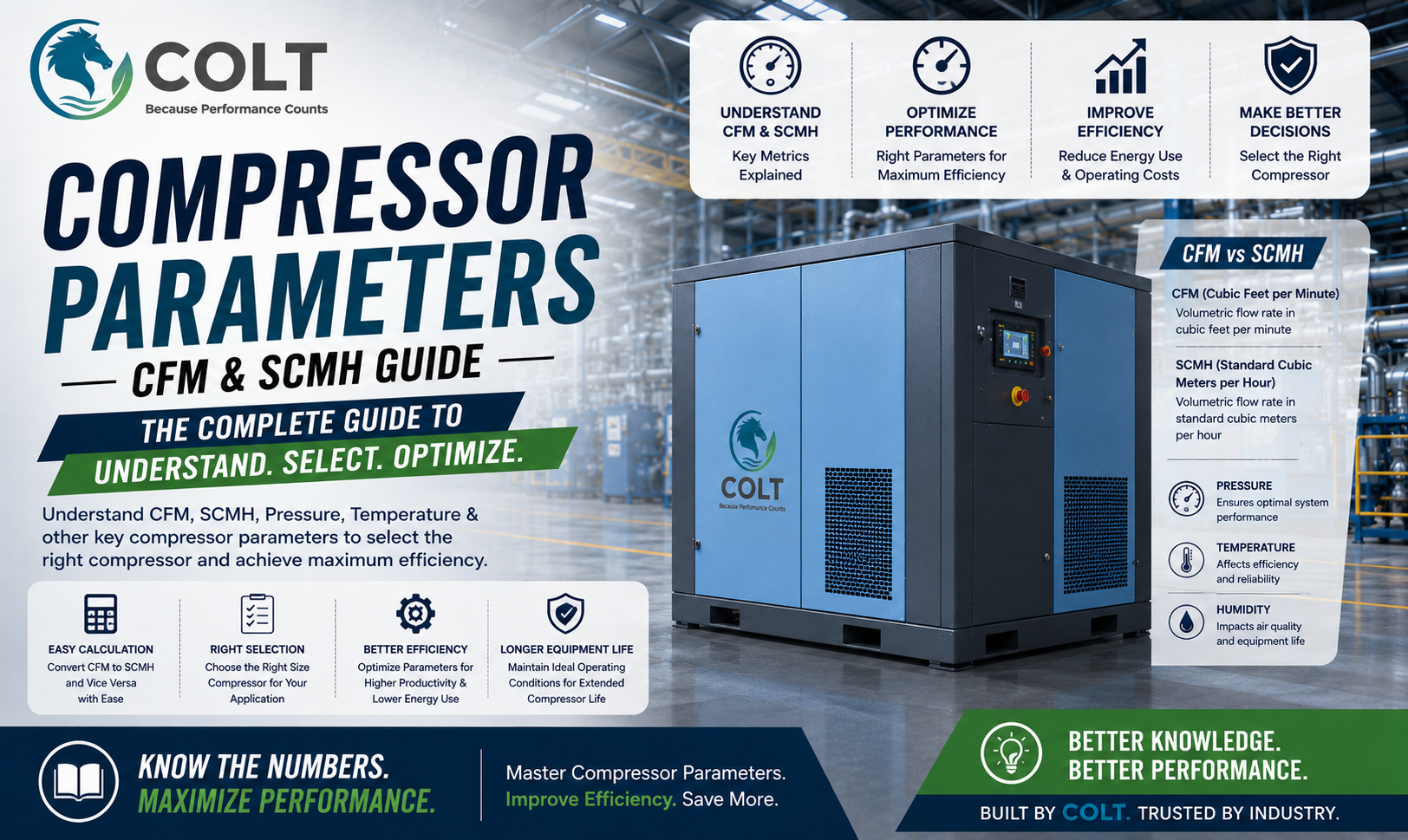
Two compressors can look identical on paper and perform very differently once installed — because a spec sheet is only useful if you understand exactly what each number means and under what conditions it was measured.
Read More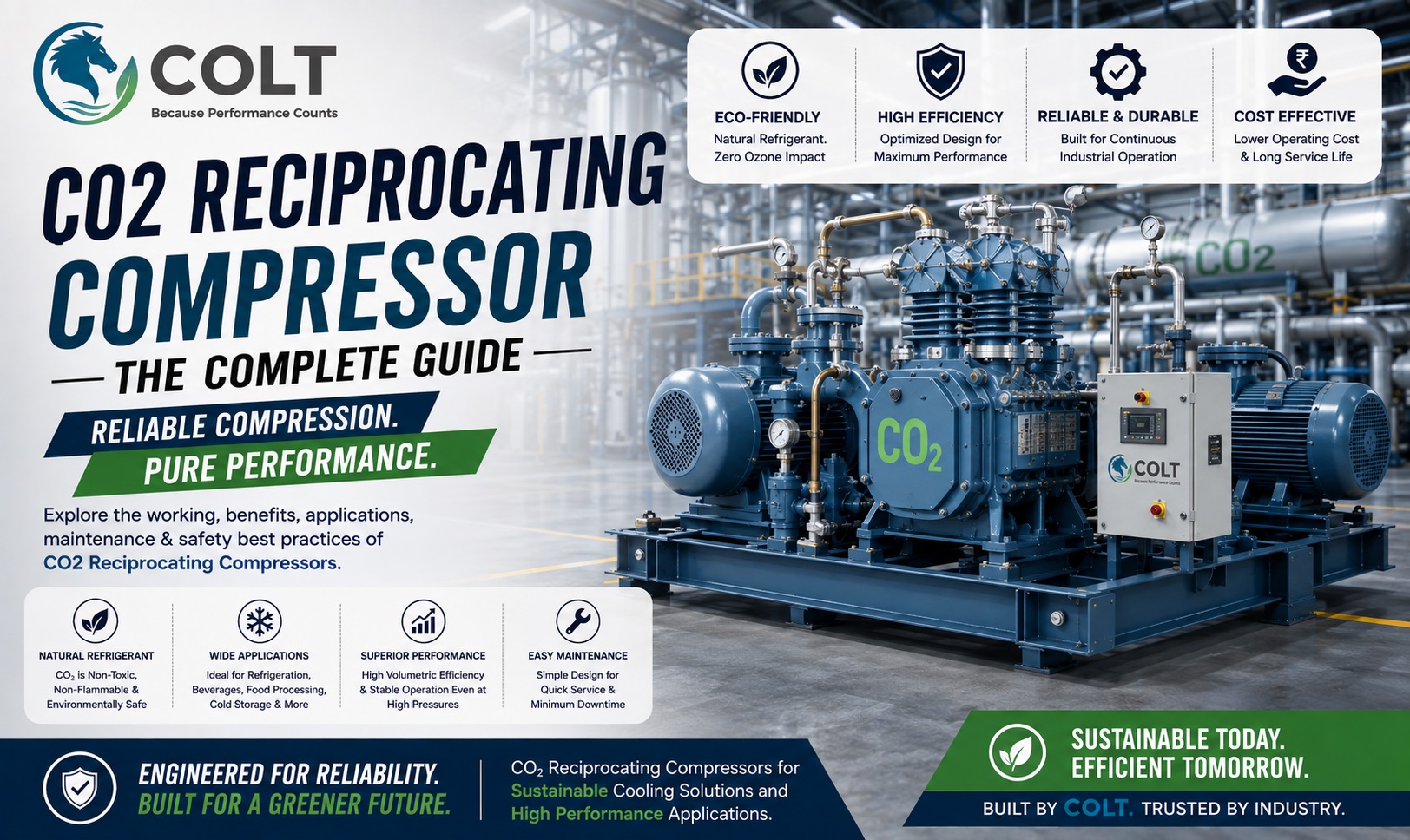
Carbon dioxide behaves differently from air or ammonia under compression, which is why compressing it reliably takes specific engineering knowledge — not just a standard air compressor pressed into service.
Read More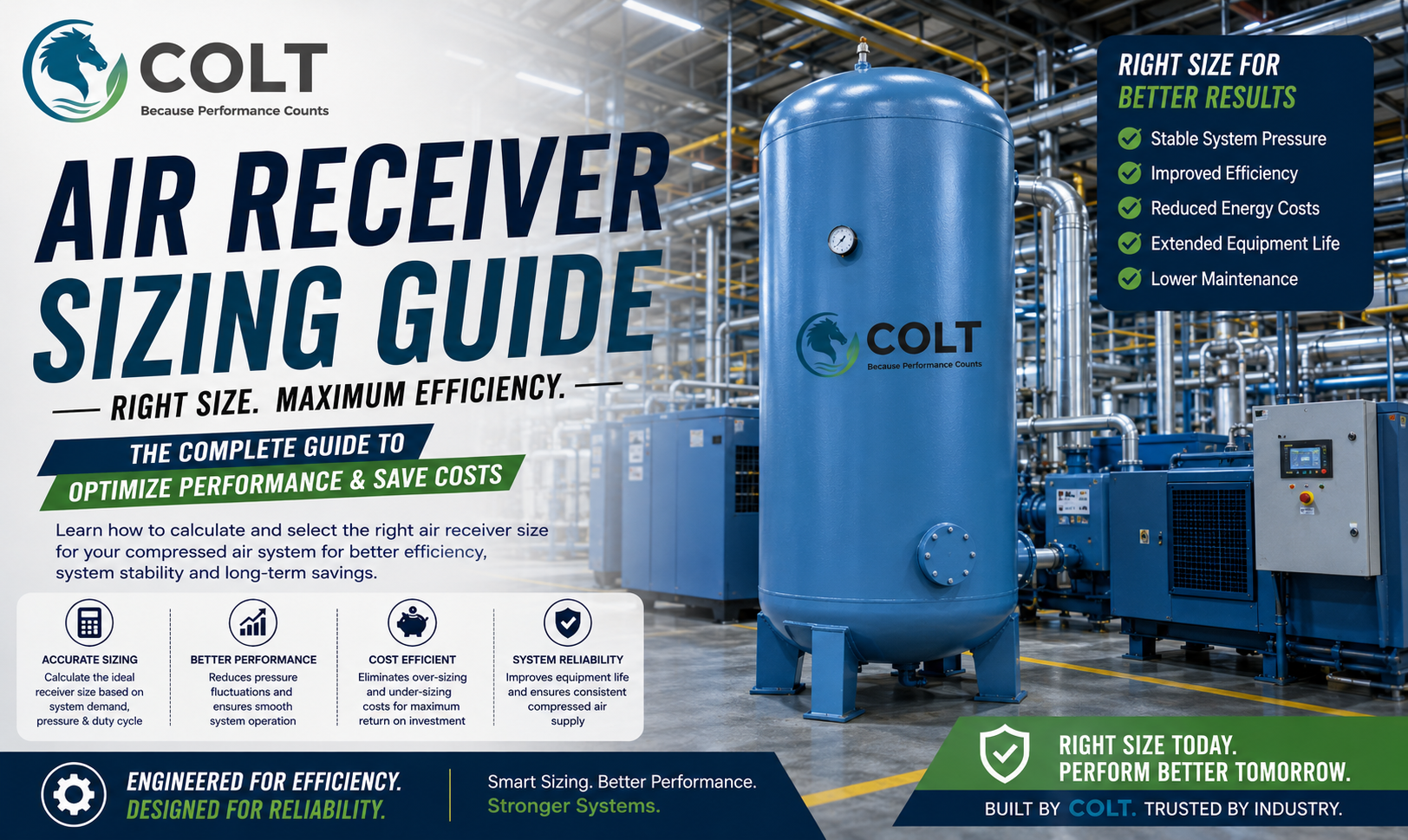
An undersized air receiver is one of the most common — and most expensive — mistakes in compressed air system design. Get the tank size wrong, and the compressor short-cycles, pressure swings under load, and energy costs climb, even if every other component in the system is correctly specified.
Read More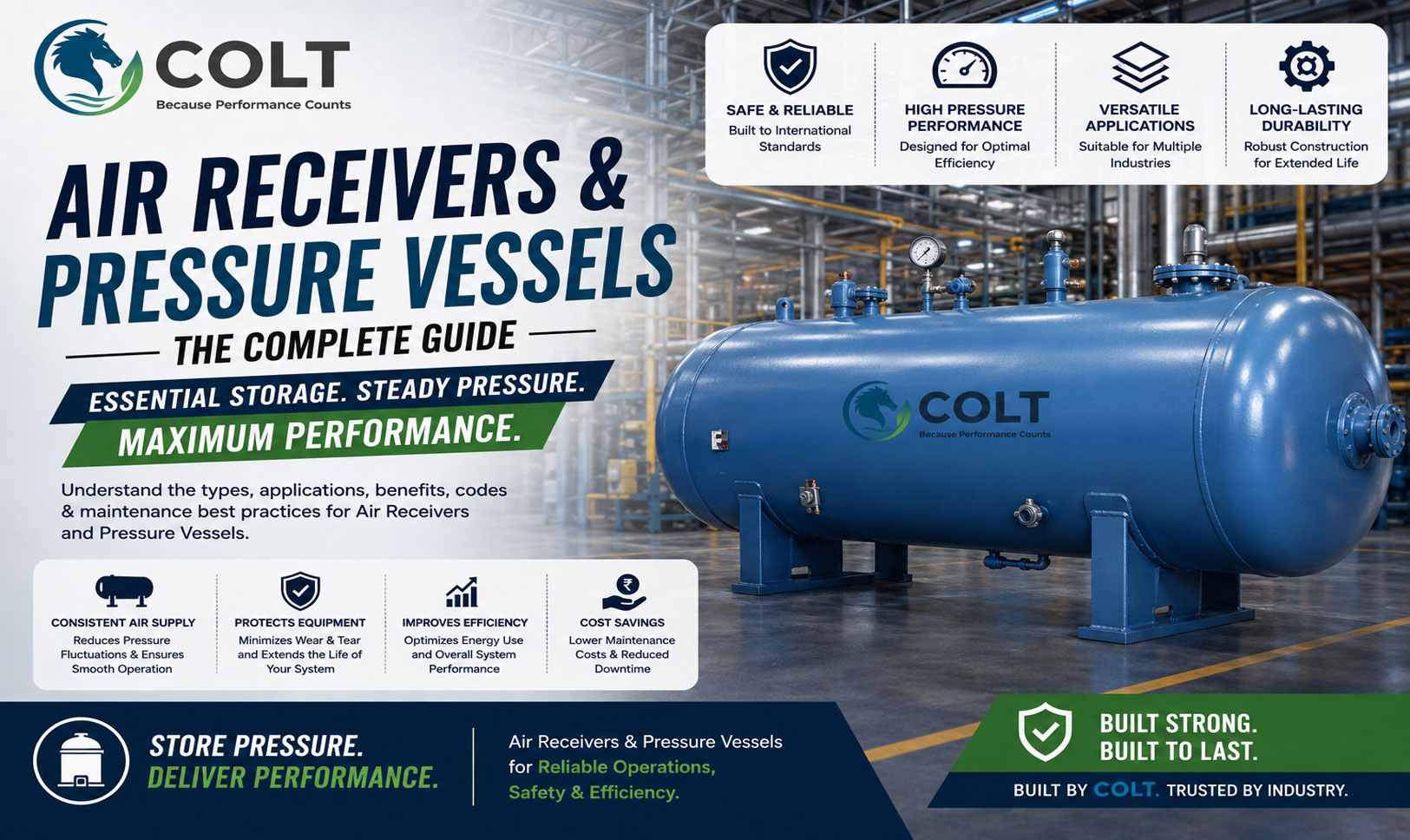
A compressor is only half of a well-designed compressed air system. Without a properly sized air receiver, plants see pressure fluctuations, excessive compressor cycling, and moisture problems that shorten equipment life.
Read More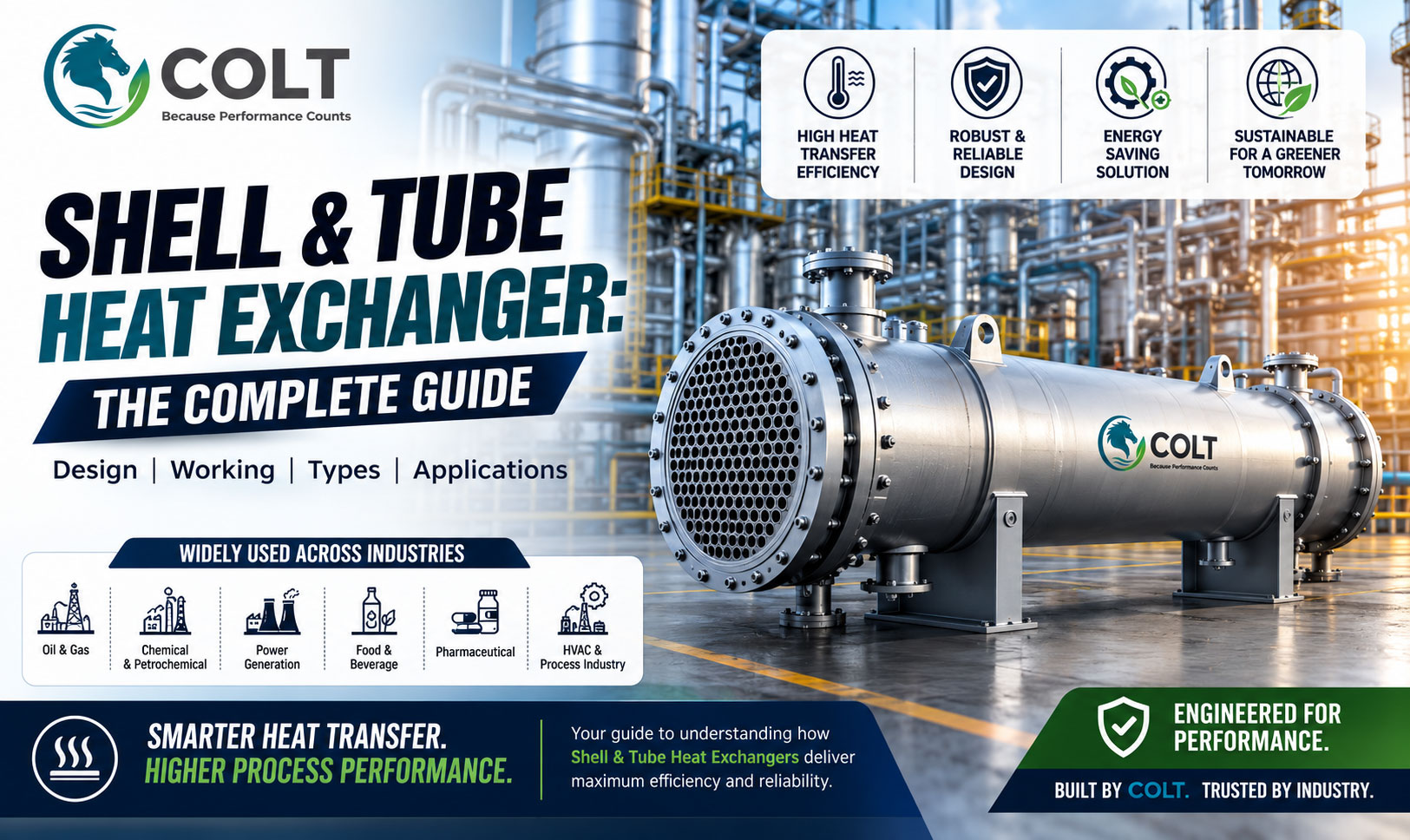
Almost every process plant needs to move heat from one fluid to another — cooling a product stream, recovering waste heat, or condensing vapor back to liquid.
Read More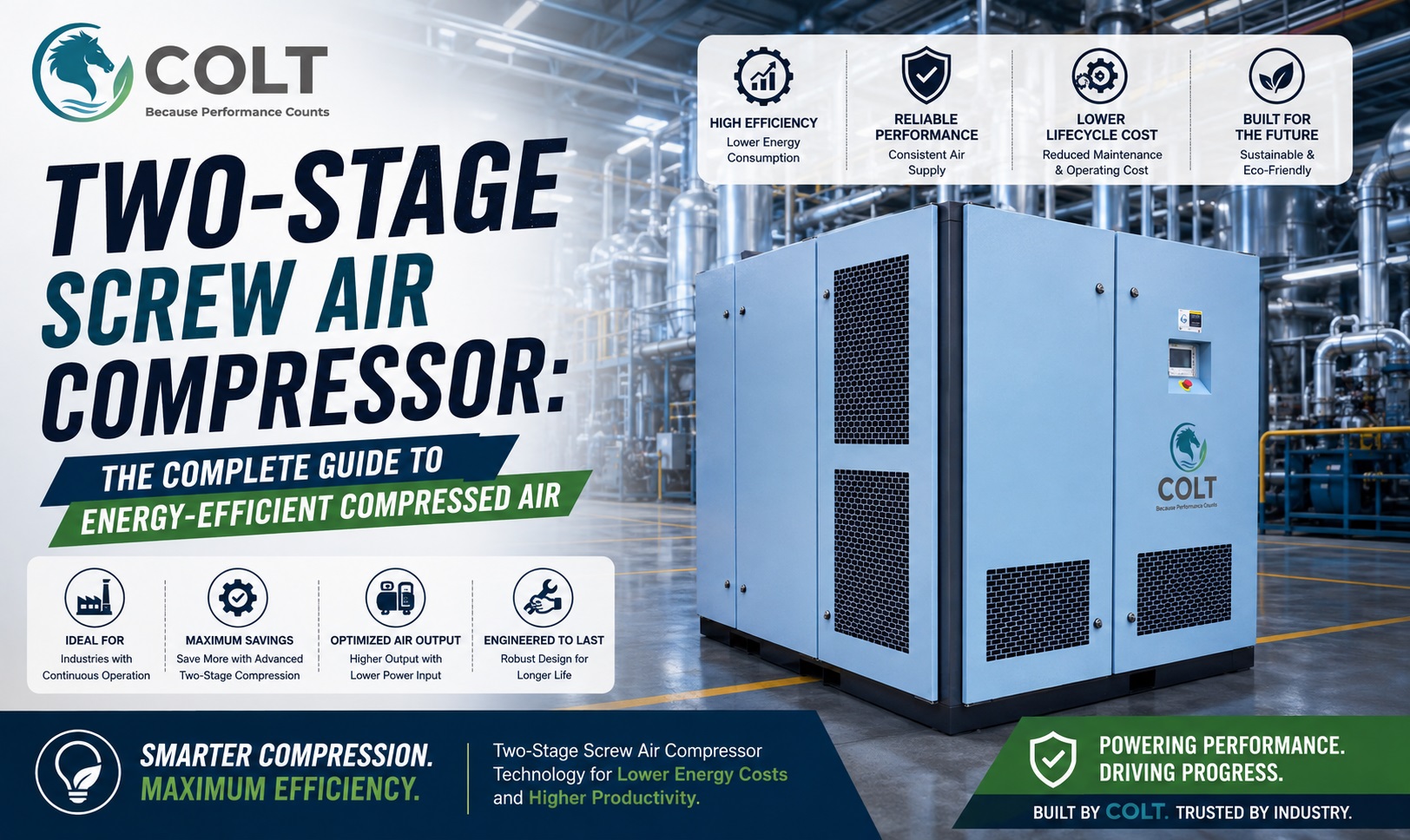
Compressed air can account for a significant share of a plant's electricity bill, and the compressor technology behind it makes a direct difference to that cost.
Read More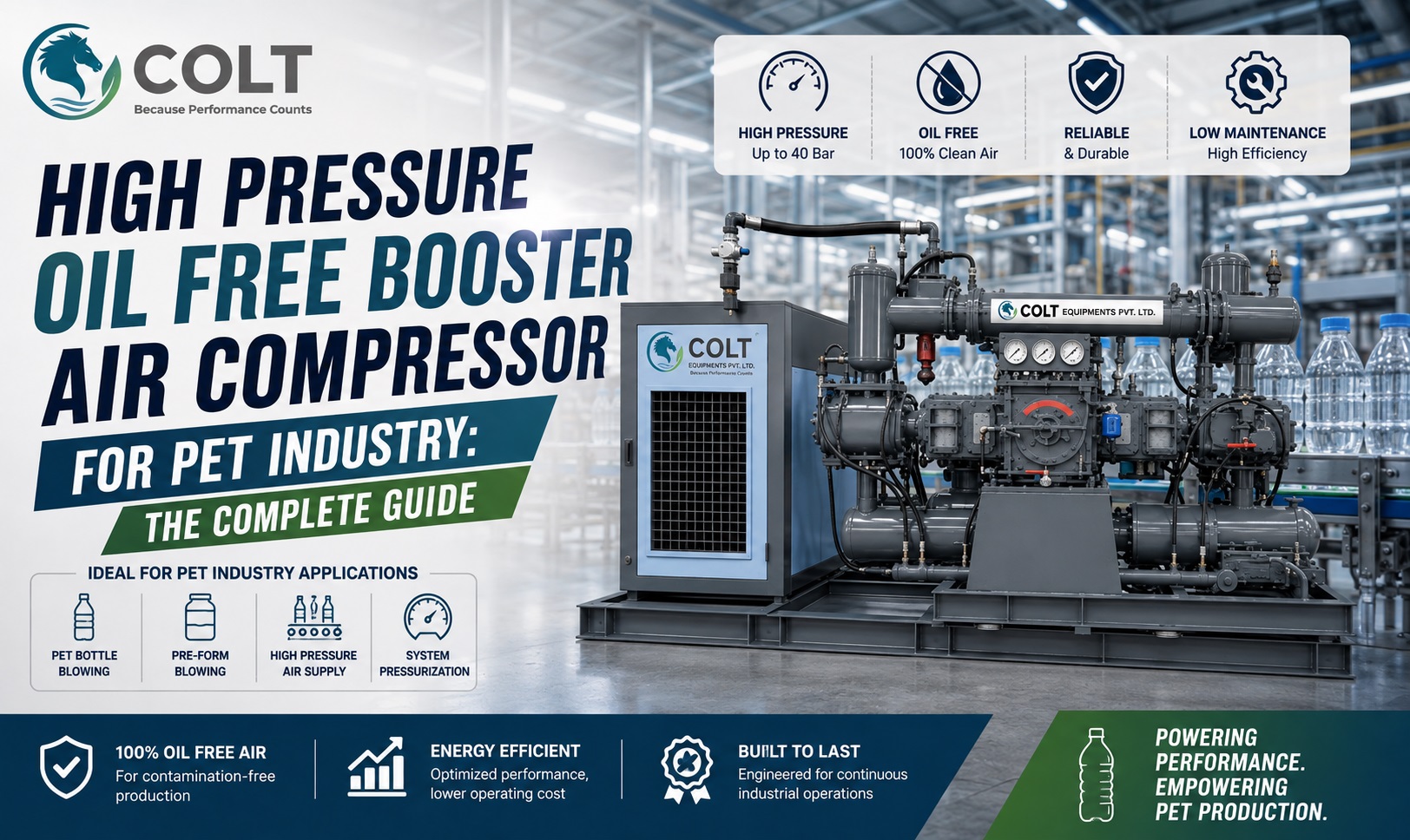
PET bottle blowing is one of the least forgiving applications in compressed air — a single trace of oil in the air stream can contaminate an entire batch of bottles meant for food, beverage, or pharmaceutical packaging.
Read More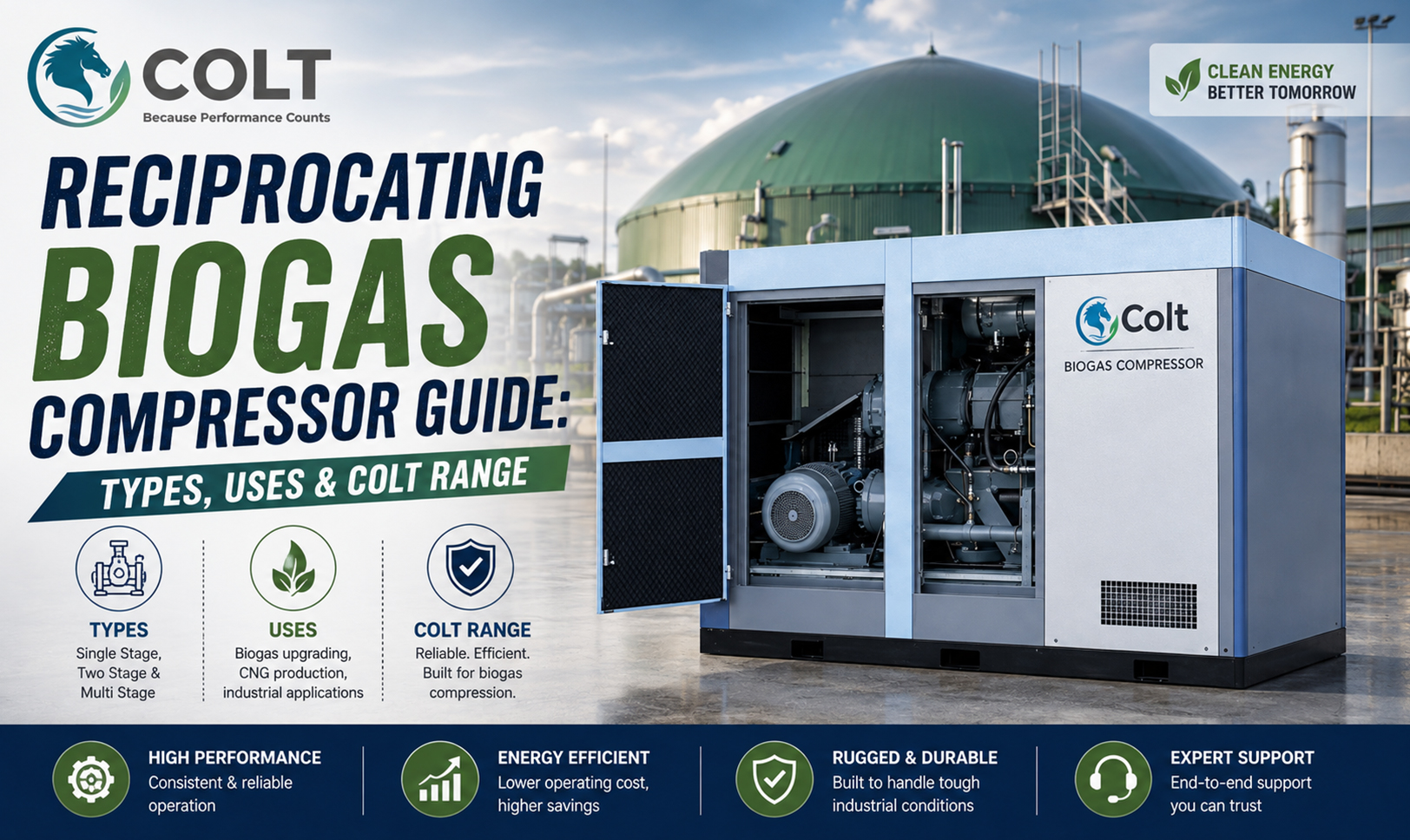
India's biogas sector is scaling up fast, driven by the government's SATAT scheme and rising demand for Compressed Biogas (CBG) as a clean transport fuel. At the heart of every biogas-to-CBG value chain sits one critical machine: the reciprocating biogas compressor.
Read More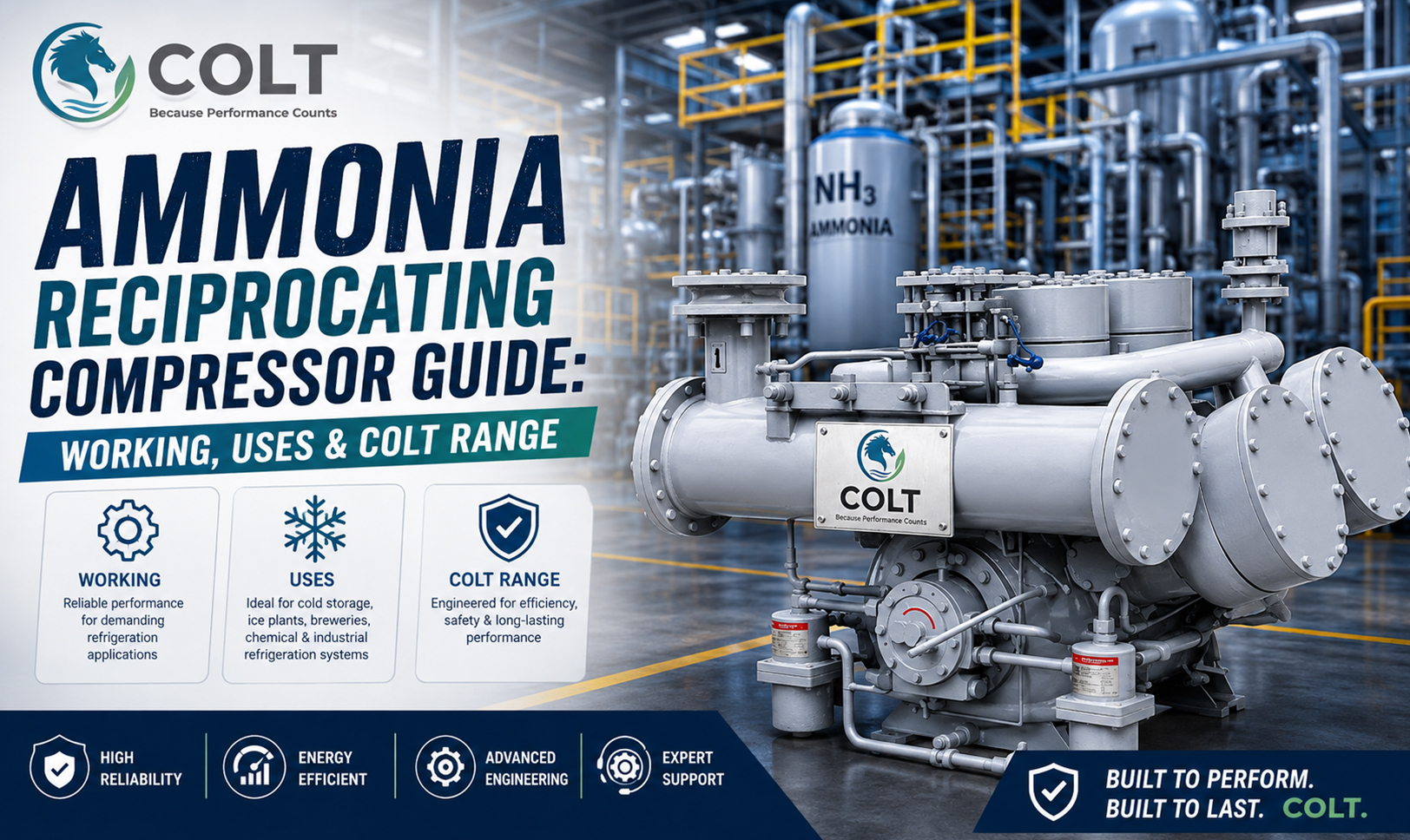
Cold storage warehouses, ice plants, breweries, and food processing units all depend on one core piece of equipment to keep operations running: the ammonia reciprocating compressor. As the heart of an ammonia refrigeration system, this compressor is what makes 24×7 low-temperature...
Read More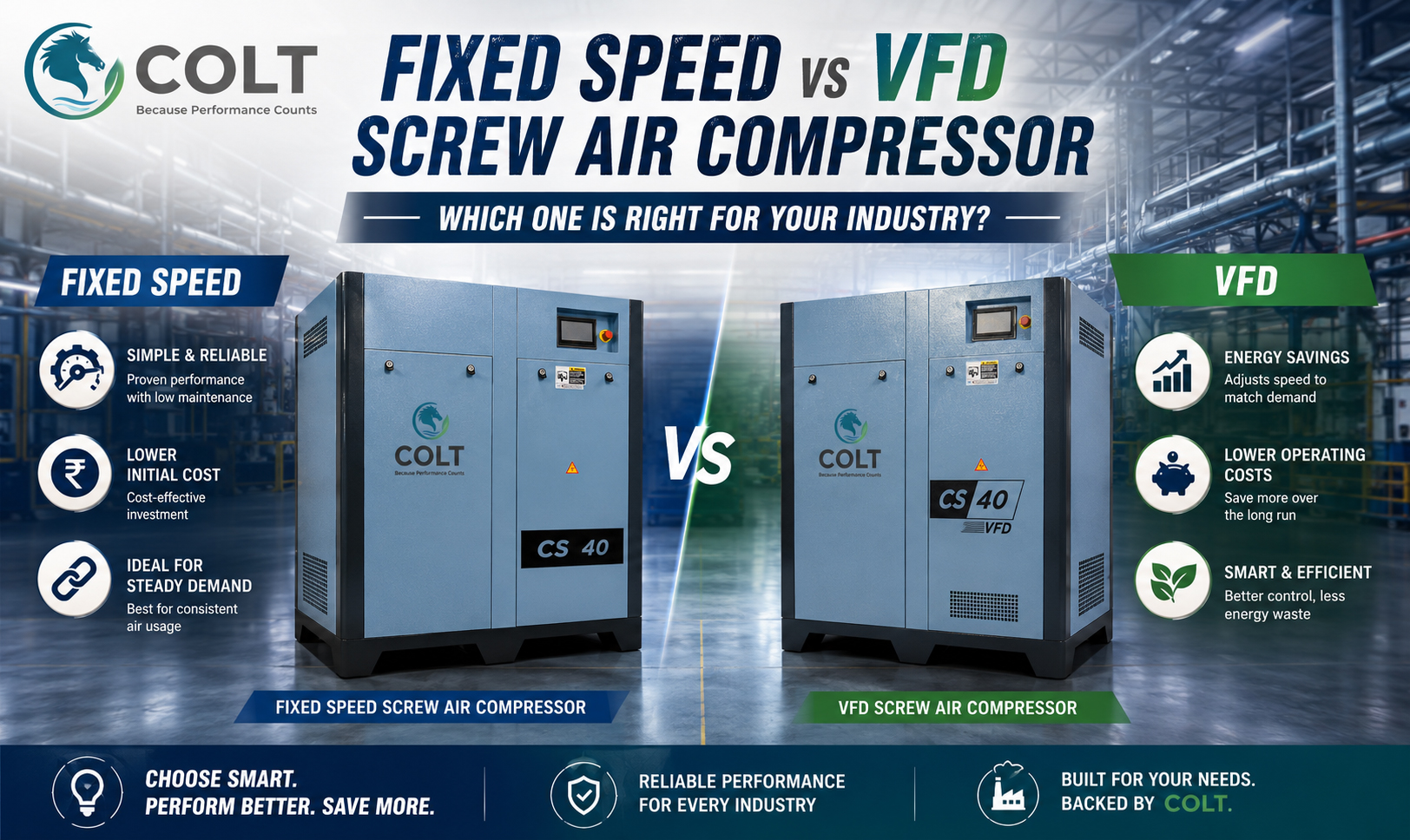
Choosing between a fixed speed screw air compressor and a VFD Screw Air Compressor is one of the most consequential decisions a plant makes about its compressed air system — and one of the most misunderstood. Get it right and compressed air quietly becomes one of your cheapest utilities.
Read More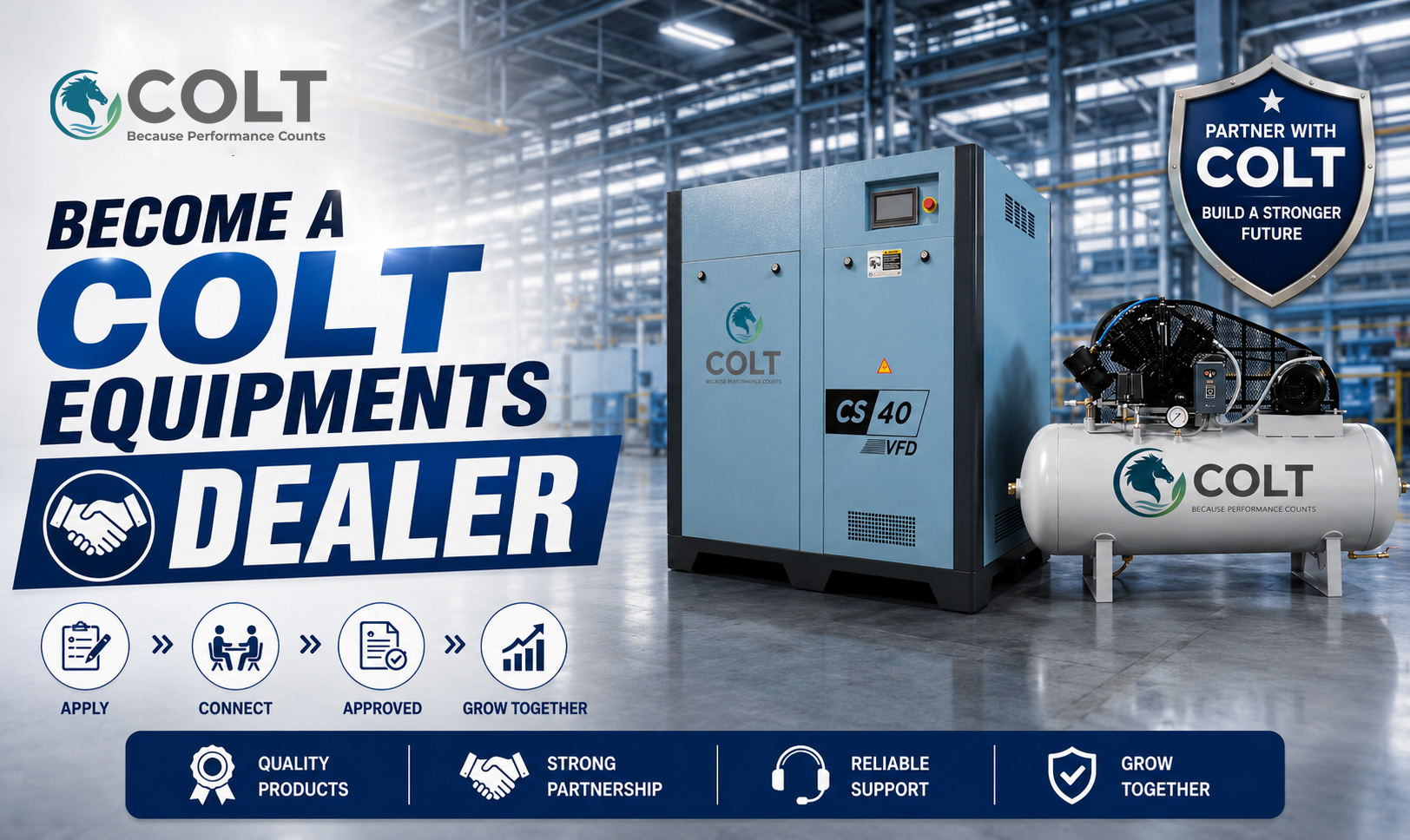
You run a trading or distribution business, and a customer just asked you for something you don't currently stock: a rotary screw air compressor, an industrial water chiller, or a pressure vessel. You could refer them elsewhere and hand the sale — and the relationship — to a competitor.
Read More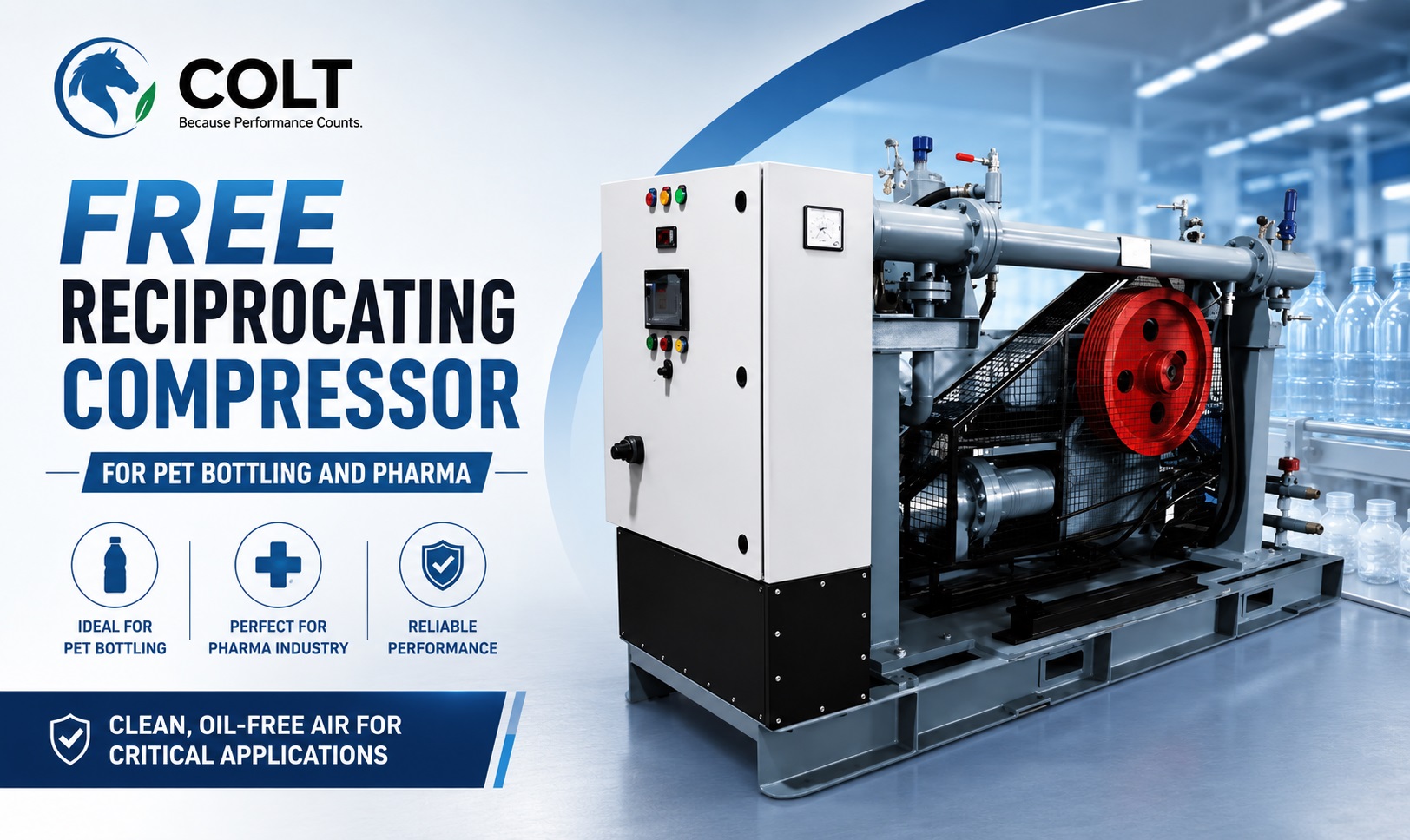
In most industries, a trace of oil in the compressed air is a maintenance nuisance. In PET bottling and pharmaceuticals, it is a product recall waiting to happen. One drop of compressor oil carried into a PET preform mould leaves visible defects and odour inside a beverage bottle.
Read More
Every industrial air compressor produces more than just compressed air — it produces water. Litres of it, every single day. If that moisture is not removed before the air reaches your machines, it corrodes pipelines, ruins pneumatic tools and valves, contaminates products and silently...
Read More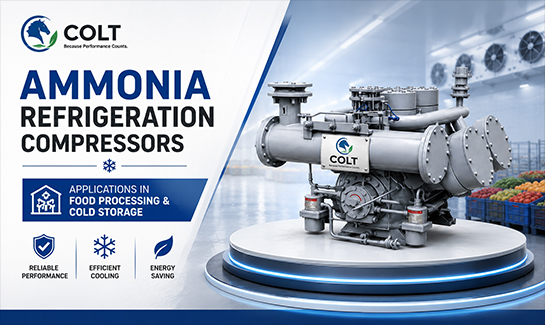
India's cold chain and food processing sector is expanding fast, and at the center of nearly every large-scale cold storage facility, dairy plant, or frozen food unit sits an ammonia refrigeration system. If you're planning or expanding a cold storage facility, you'll eventually...
Read More
You've found a compressor manufacturer in India with a price that's 30-40% below what you're paying now. The specs on the datasheet look identical to what you already run. The sales rep is responsive, the photos look professional, and the minimum order quantity works for your budget.
Read More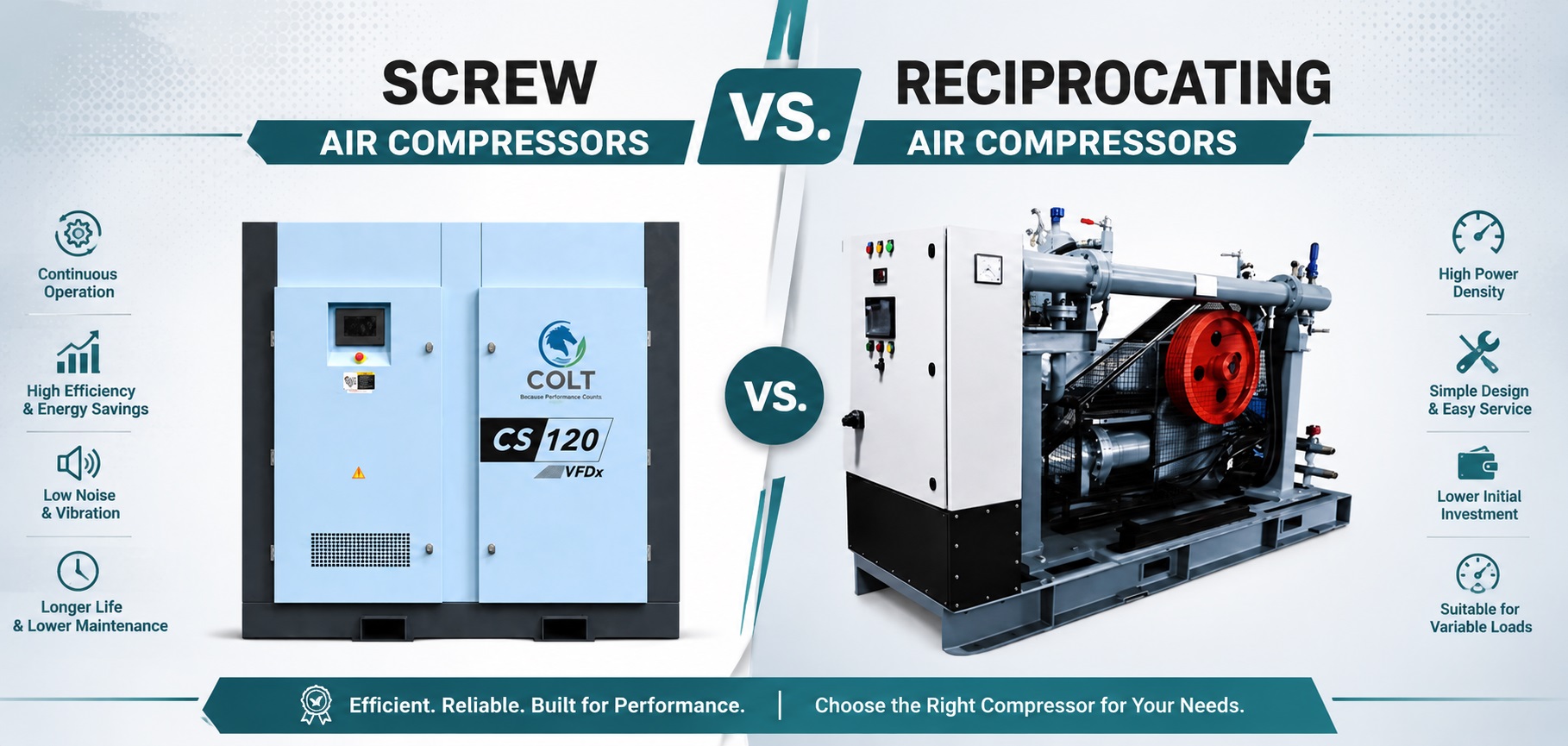
You're expanding a production line, replacing an aging compressor, or setting up a new plant, and the quote in front of you has two very different numbers on it: one for a screw compressor, one for a reciprocating unit. The screw compressor costs more upfront.
Read More